
menu

Journal

15.12.2025

Tim Black on How Custom Code Unlocked New Design Possibilities

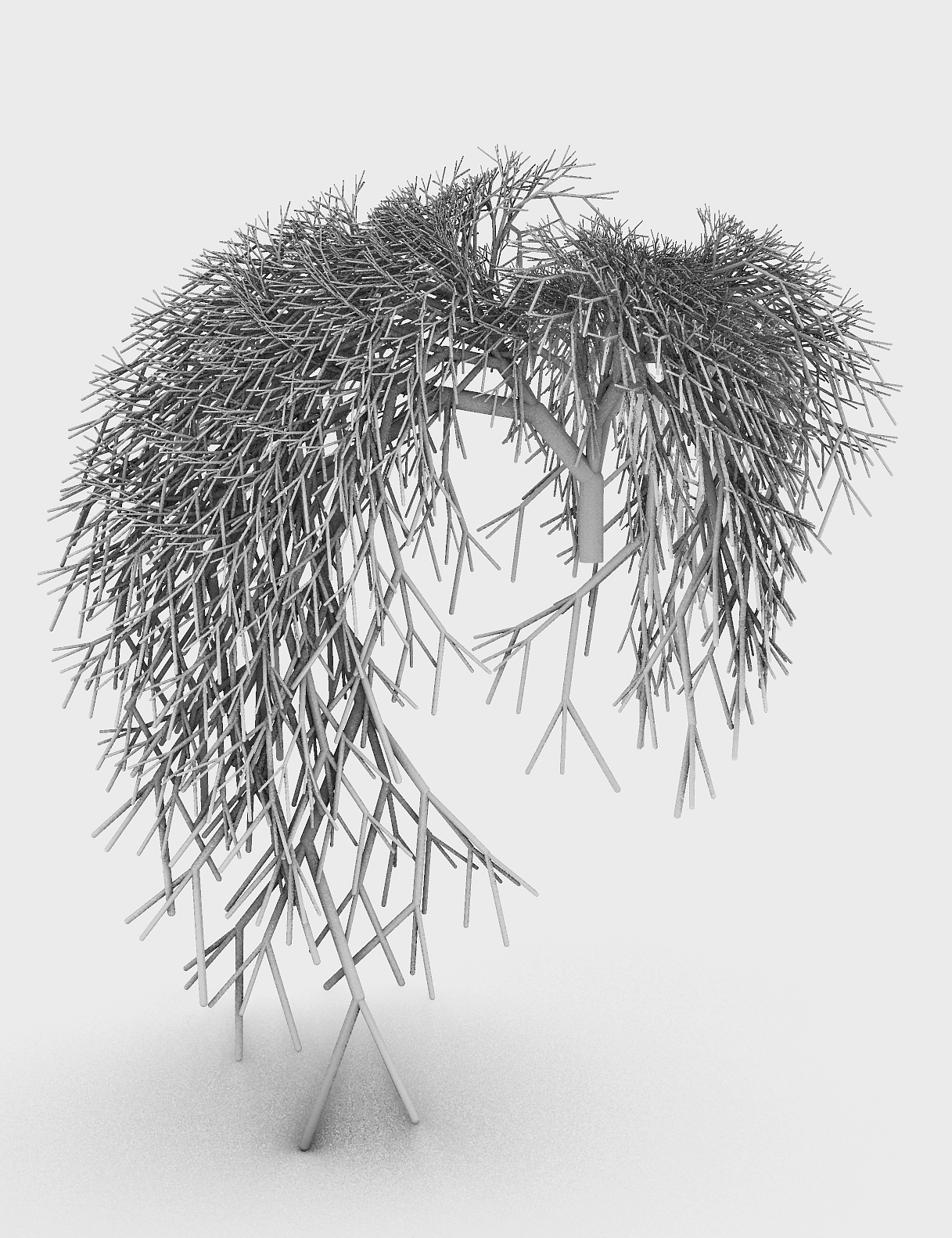
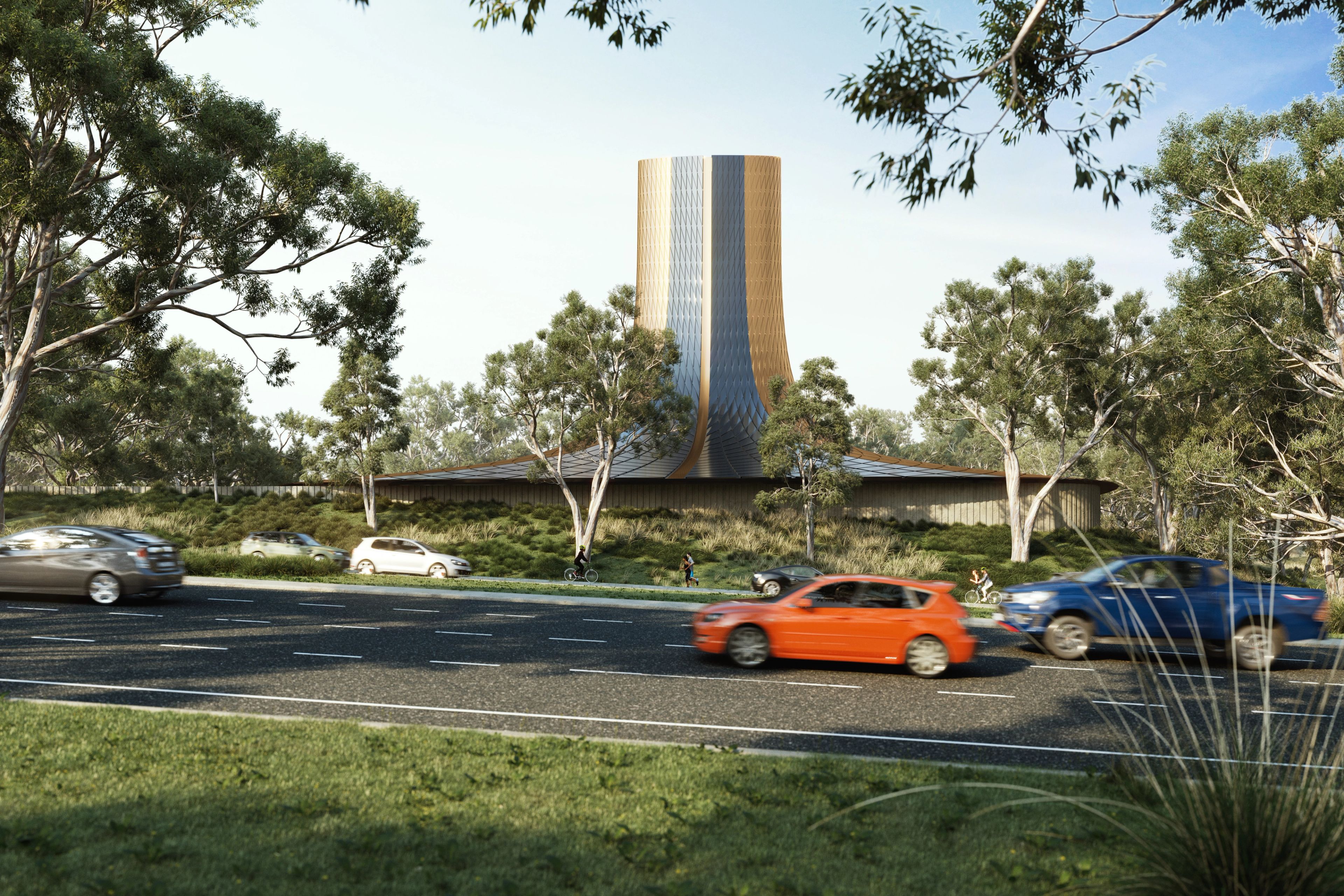
While working on a major infrastructure project several years ago, I created a digital tree, a sculptural placeholder intended to lodge itself in our client’s imagination and reserve space, both physical and budgetary, for a significant public artwork. The aim wasn’t to assume the role of sculptor or public artist, but to demonstrate how a major commission could serve both aesthetic and practical purposes: wayfinding through a complex road interchange. Melbourne’s arterial roads already offered precedents, EastLink and PenLink’s art commissions had become navigational landmarks: “take the northbound exit just after the 1/3 scale hotel by Callum Morton.”

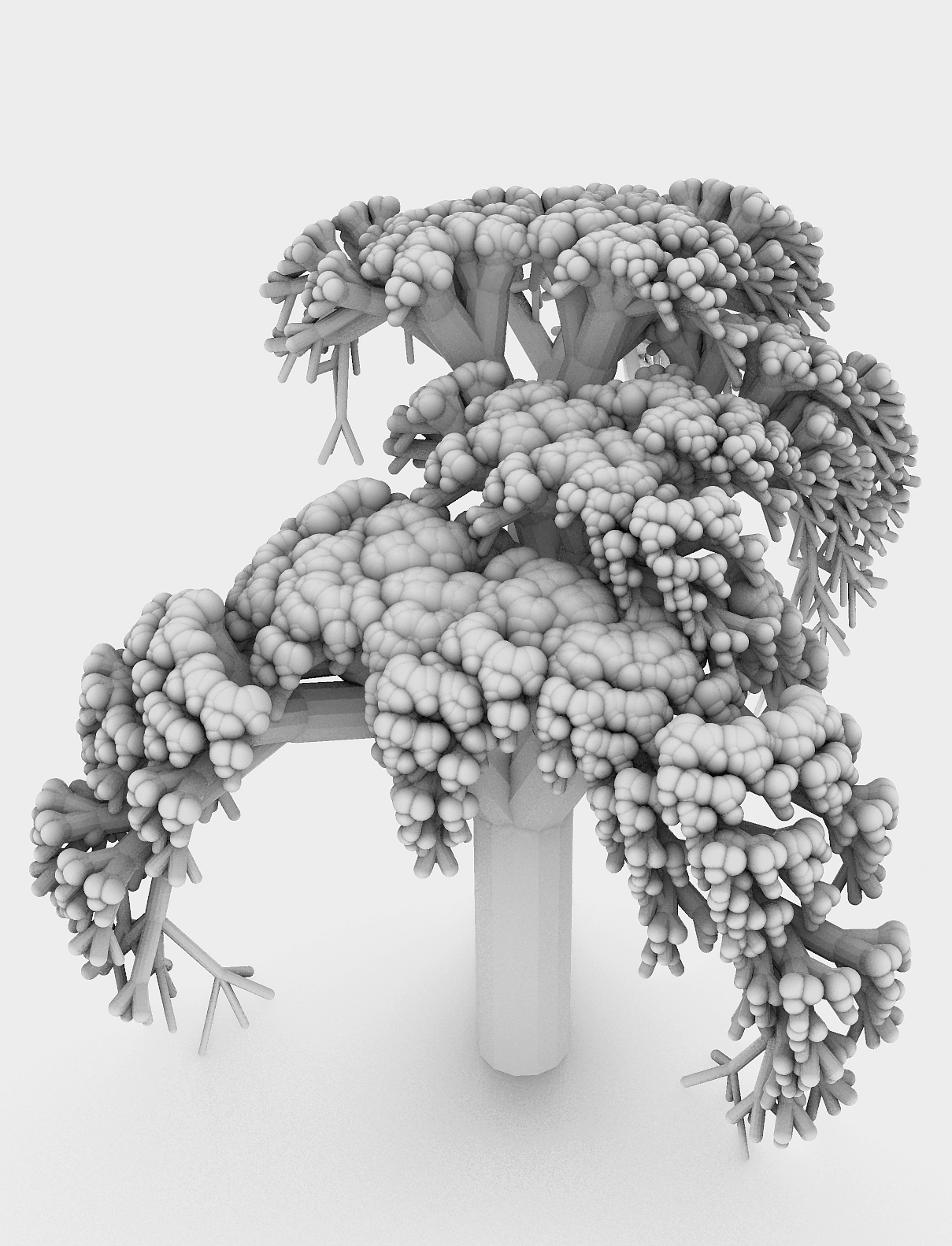
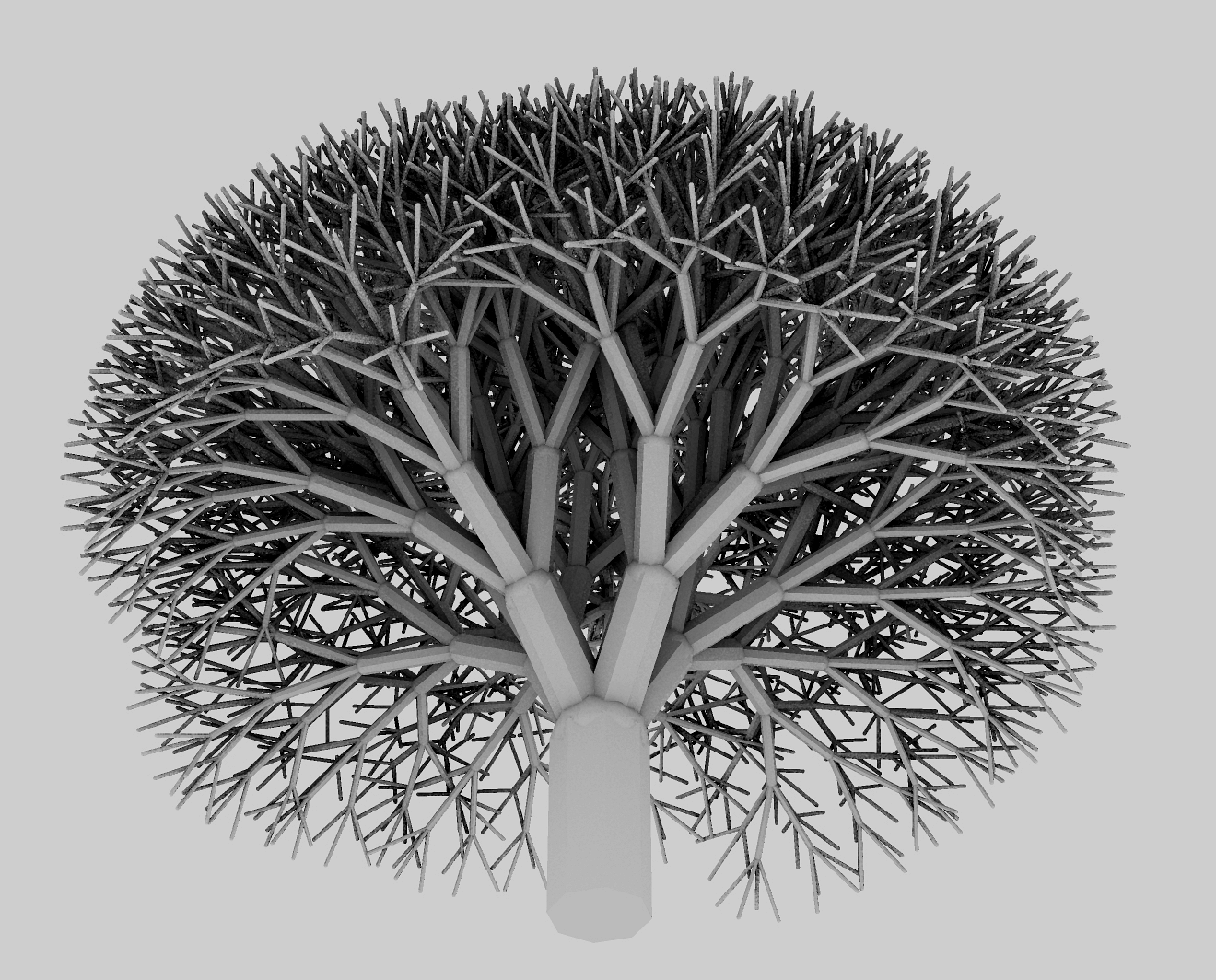
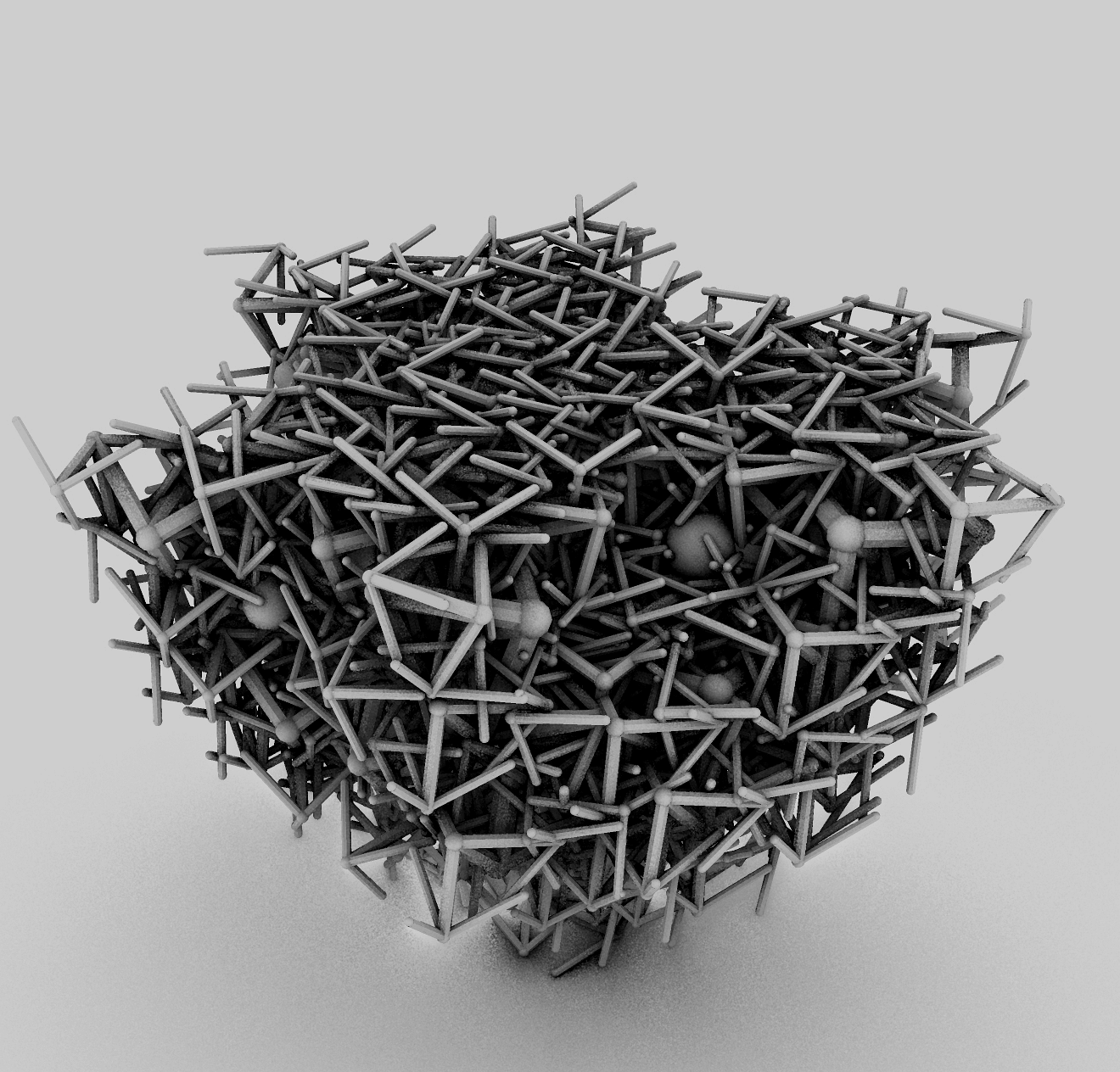
Creating this placeholder allowed me to experiment with L-system algorithms in Grasshopper, Rhino’s parametric modelling interface. L-systems, introduced by Hungarian biologist Aristid Lindenmayer in 1968, were originally developed to describe plant cell behaviour and model botanical growth. My visual program could test countless tree-like structures, producing recognizable forms, ferns, oaks, even broccoli.

During lockdown, I began teaching myself Python, a programming language that, while non-visual, is accessible to learners and happens to sit at the heart of artificial intelligence development. By late 2022, when ChatGPT-3 arrived, I’d reached marginally beyond beginner competence and quickly became what would later be termed a “vibe-coder”, describing projects to large language models that generate code based on prompts, evaluating results through execution rather than line-by-line review.

Recently, I attempted to recreate in Python what I’d built years earlier in Grasshopper. While the code itself is modest, the extended capability it affords represents something more significant. These vibe-coding skills, built on a foundation of Python basics, prove valuable across domains: data management, task tracking, 3D modelling, financial modelling, portfolio construction. This represents a potential step change—from specific proprietary software to custom-crafted systems that can be readily adapted for new purposes.

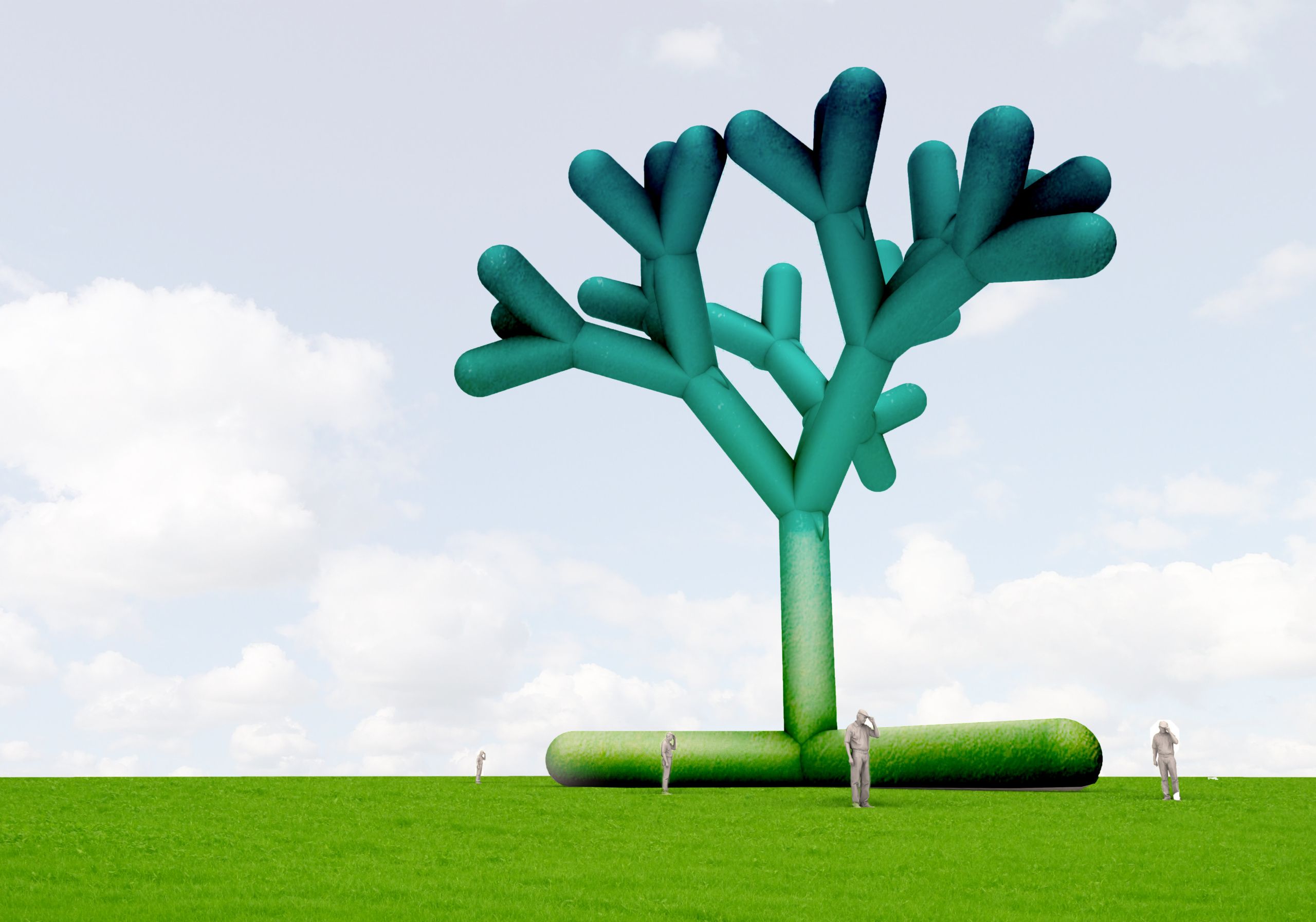
The philosopher Andy Clark’s “Extended Mind” thesis suggests that cognitive processes can extend beyond the brain into external tools and environments. The attached image embodies this concept in practice: created entirely on an iPhone using Juno Notebooks for Python scripting, iteratively refined through conversations with ChatGPT, Claude, and Gemini, exported as STL files, viewed in iRhino 3D, enhanced in Nano Banana, and animated in Gemini’s video model.

What strikes me isn’t the technical achievement—it’s unremarkable by professional standards—but rather what it represents: a designer wielding general-purpose tools to create purpose-specific solutions, extending cognitive capability through the strategic assembly of accessible technologies. The digital tree, once a placeholder for public art, has become a placeholder for something else entirely—a glimpse of how designers might work when software becomes conversation, and tools become collaborators in thought.