Skip to content
Journal
17 September 2024

Solid Lines & ENOKi Commission

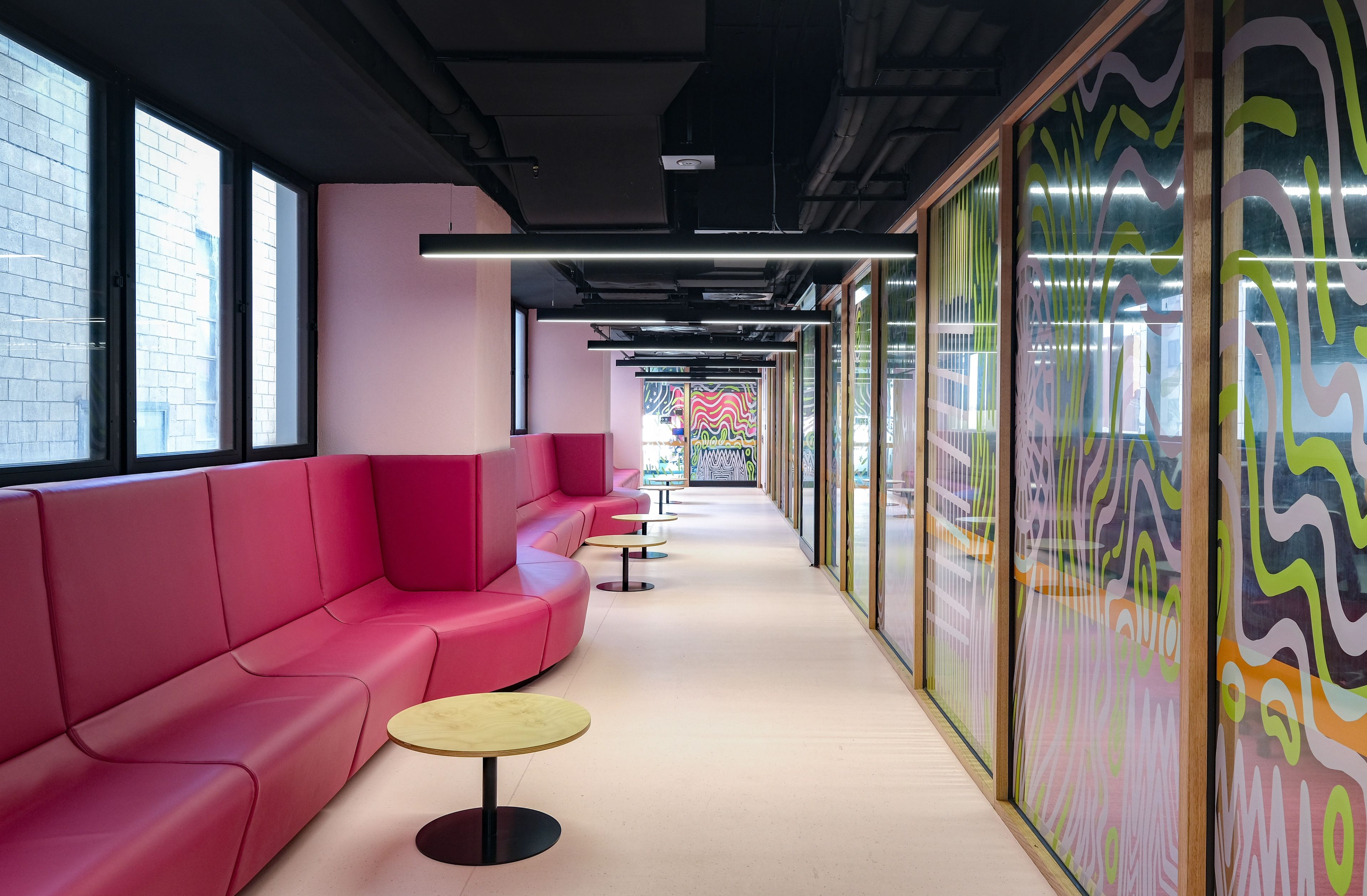
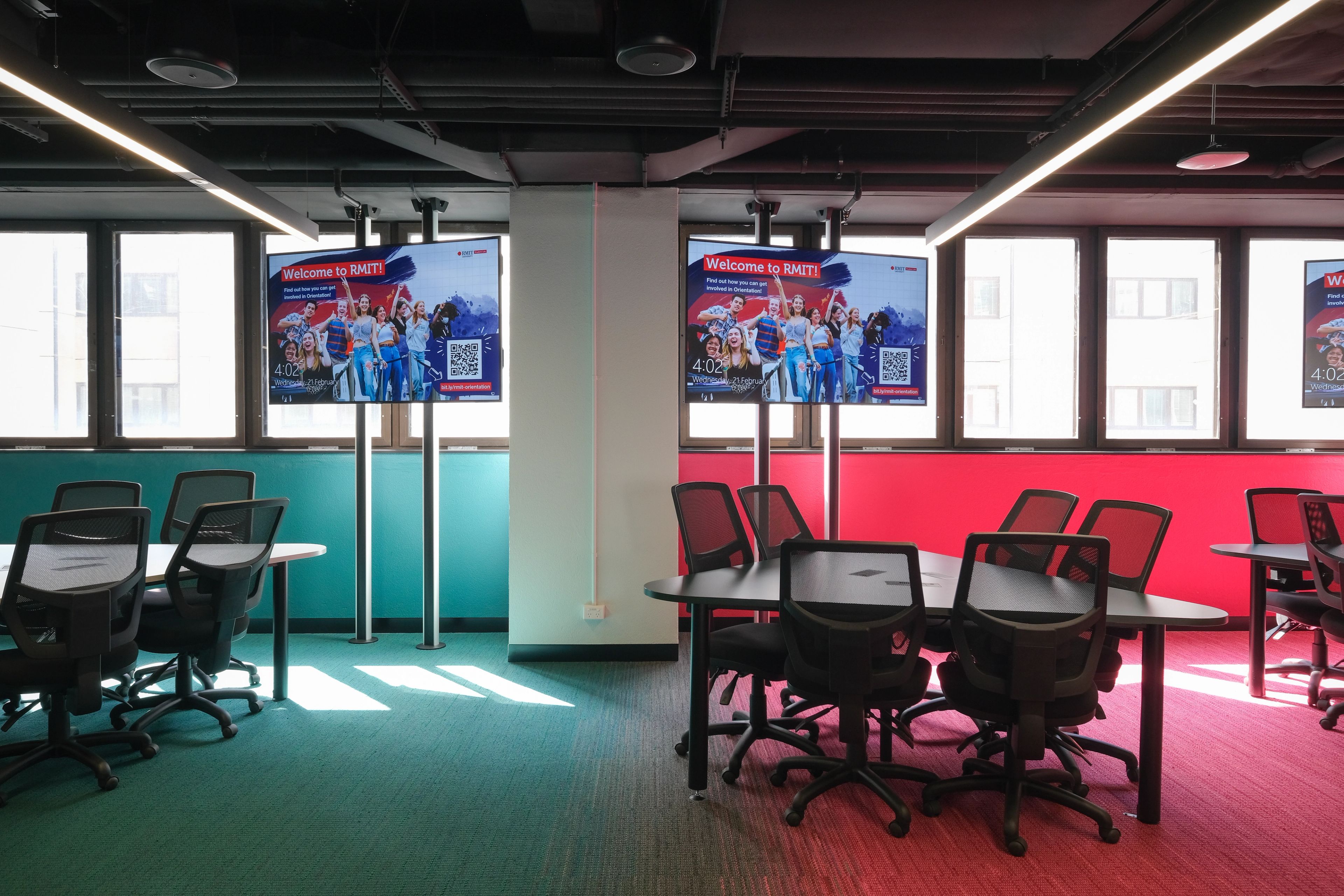
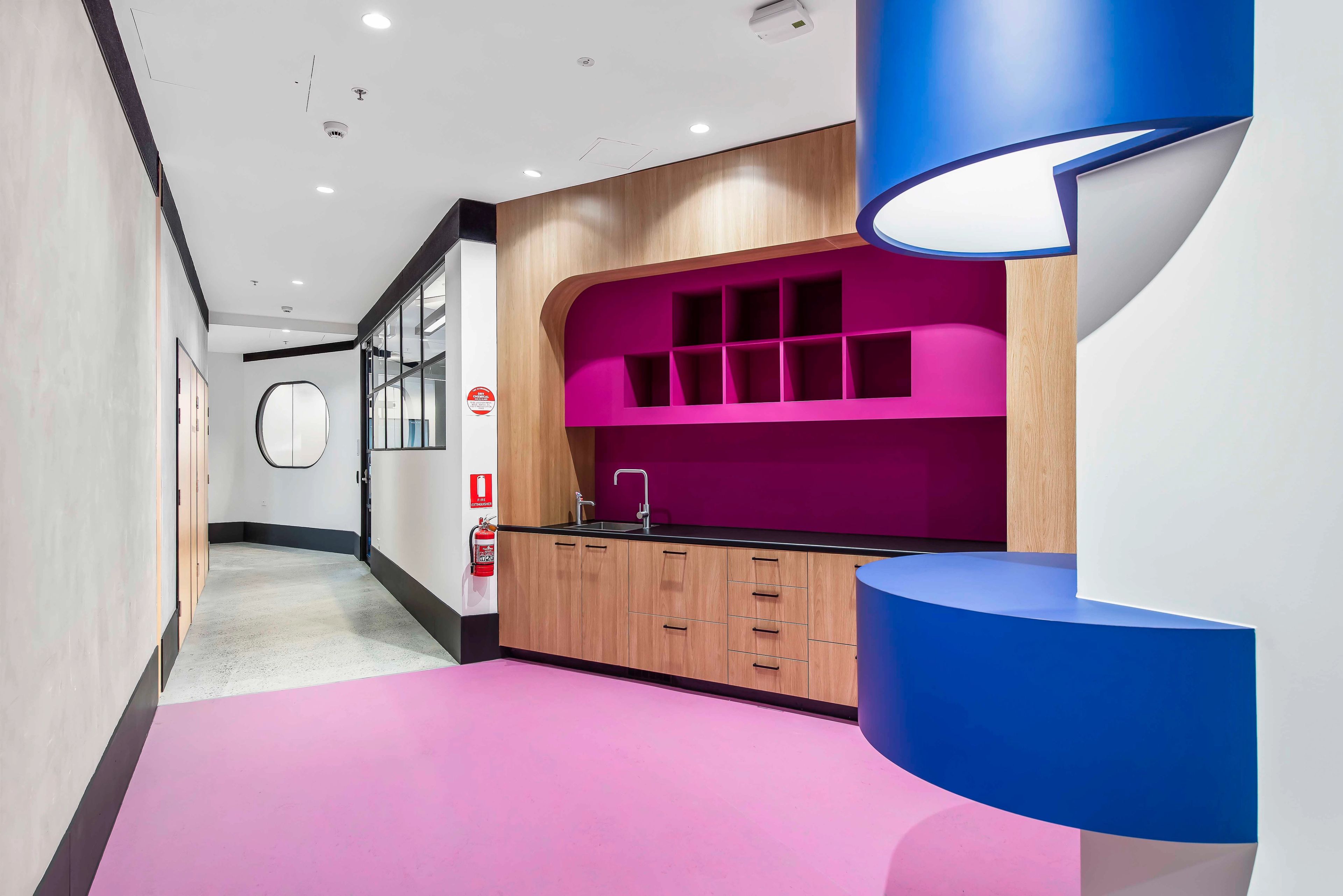
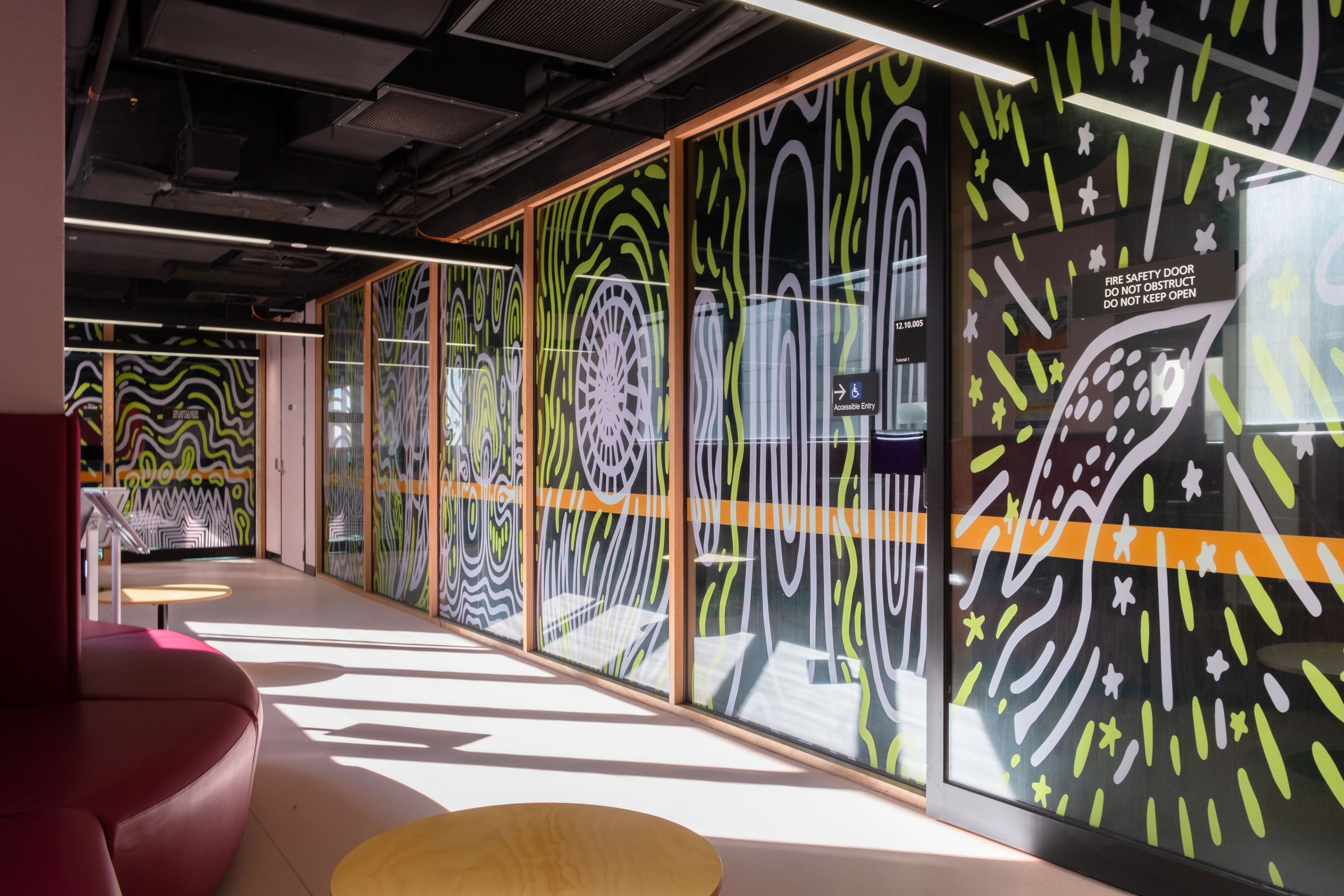
We had the pleasure of designing a cutting-edge remote sensing lab and two innovative BYOD (bring your own device) super labs for RMIT’s School of Computing Technologies.

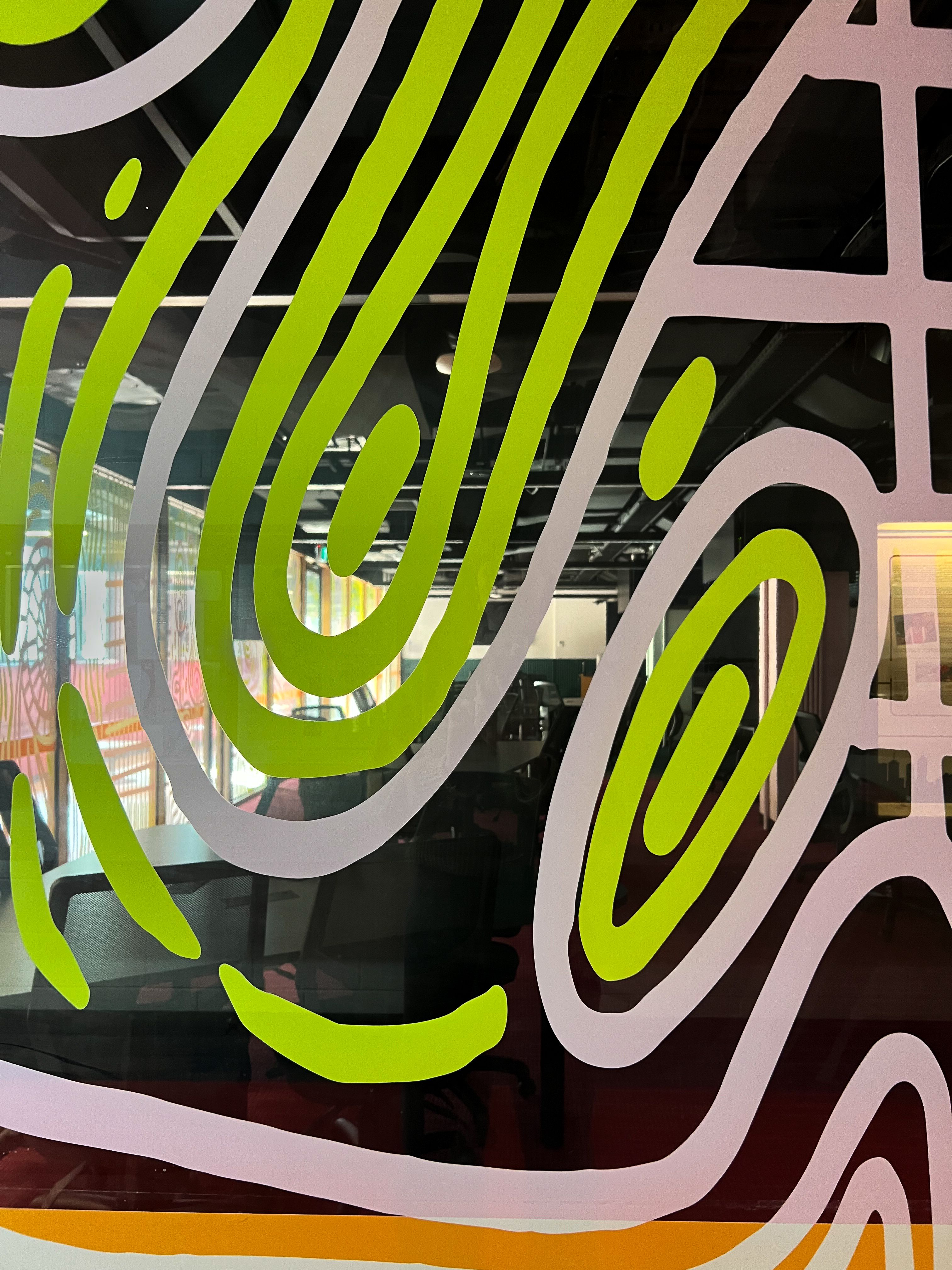
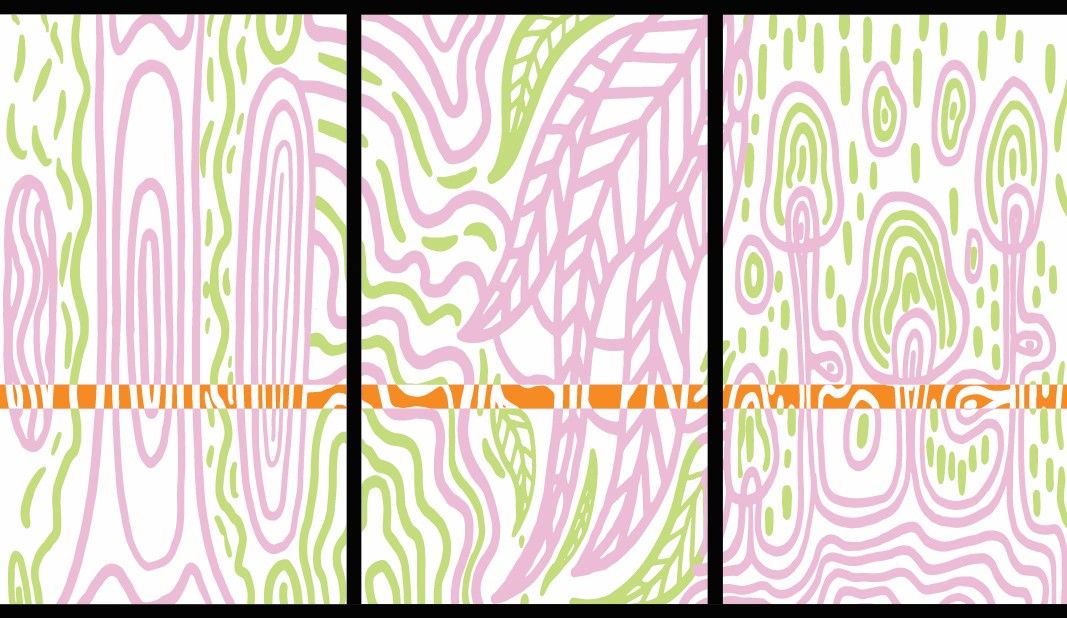
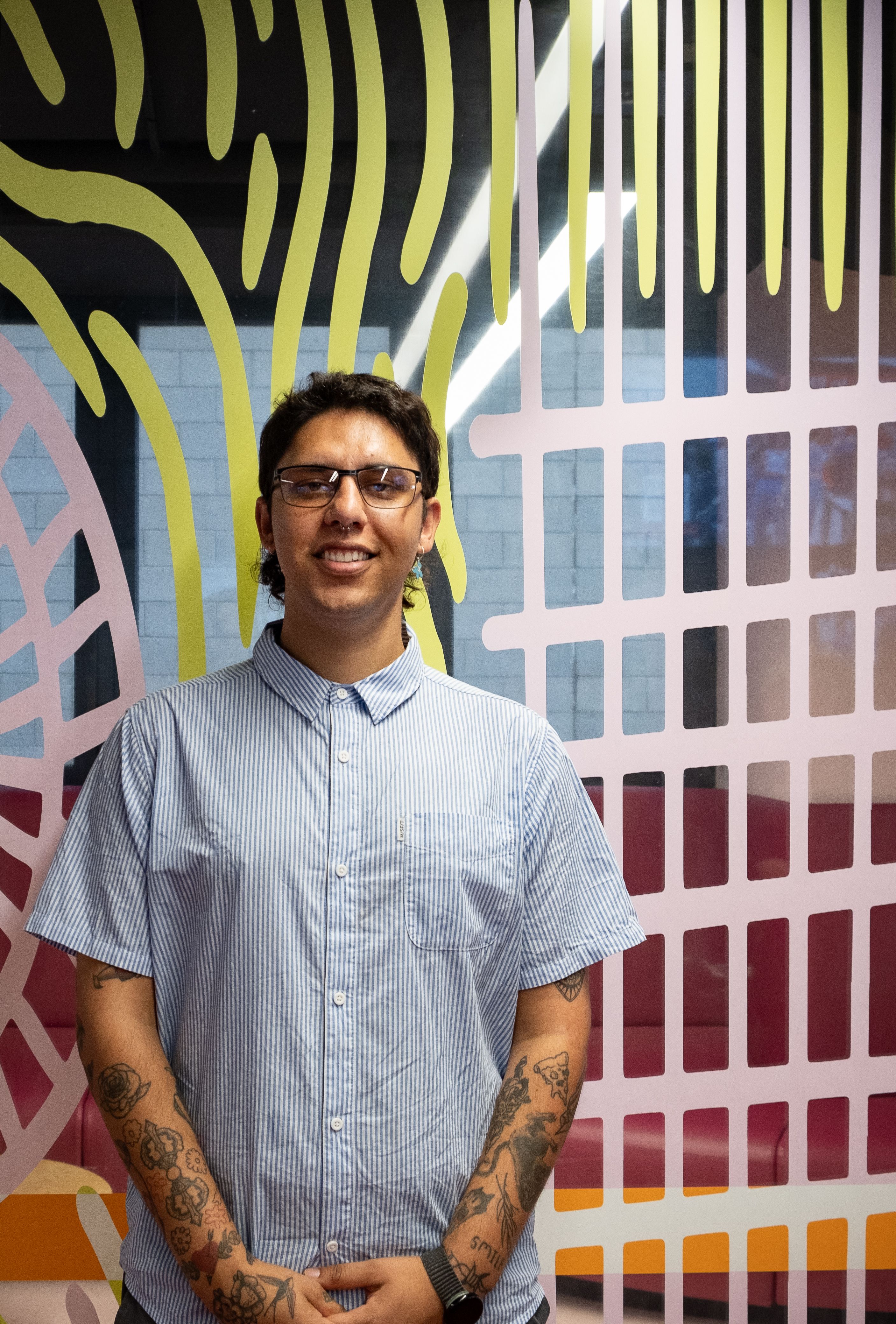
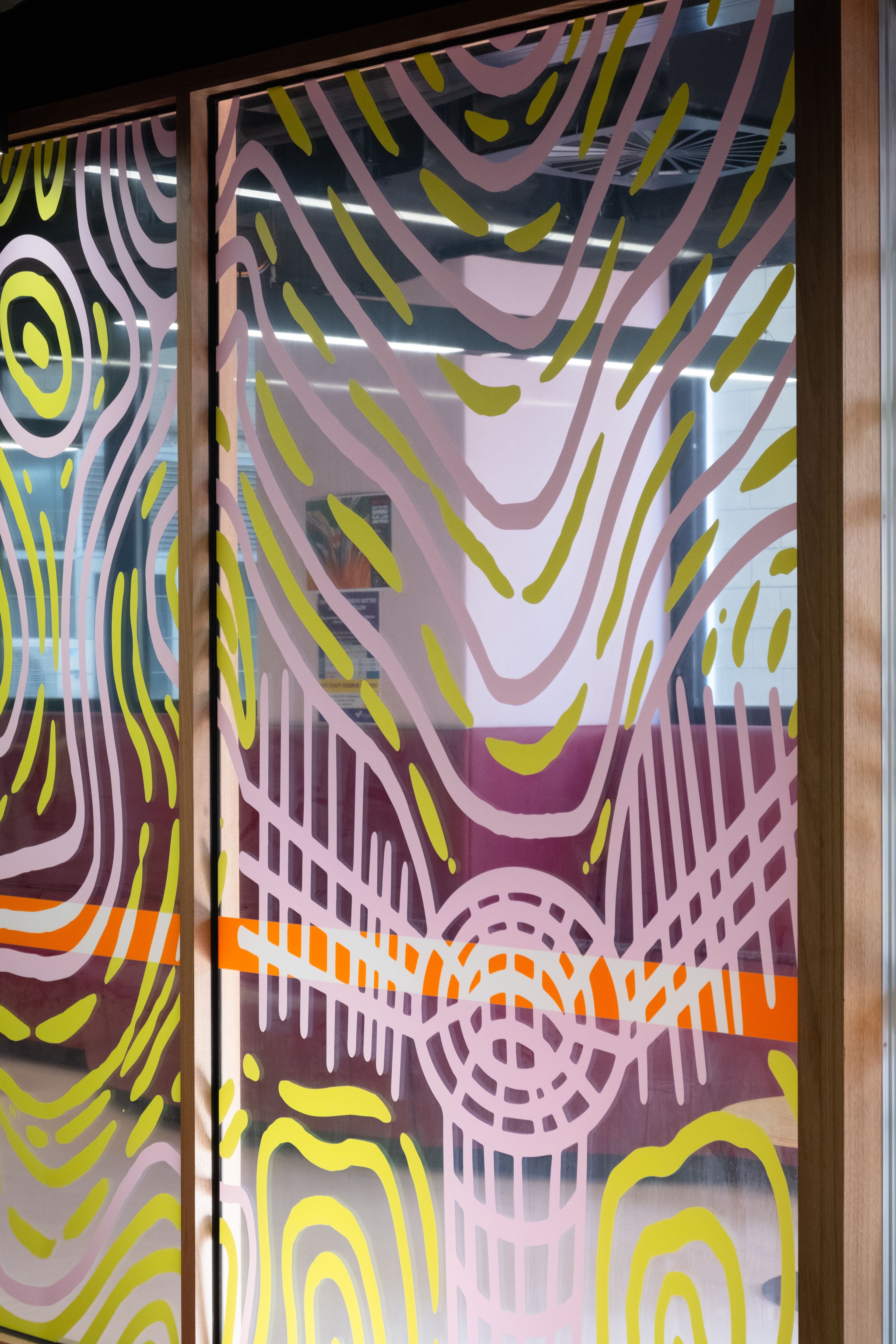
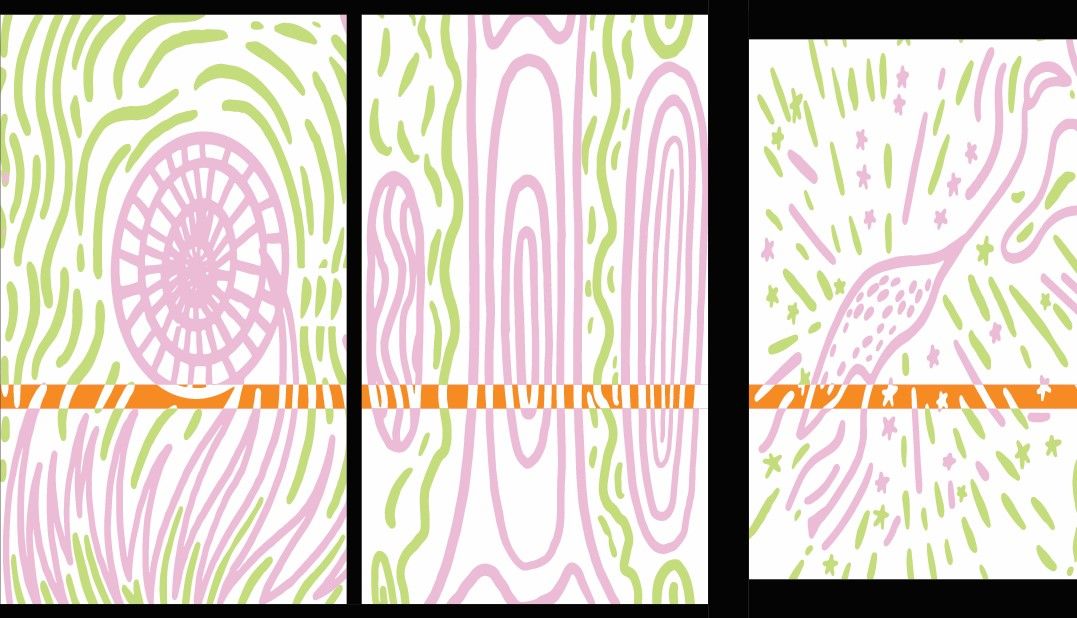
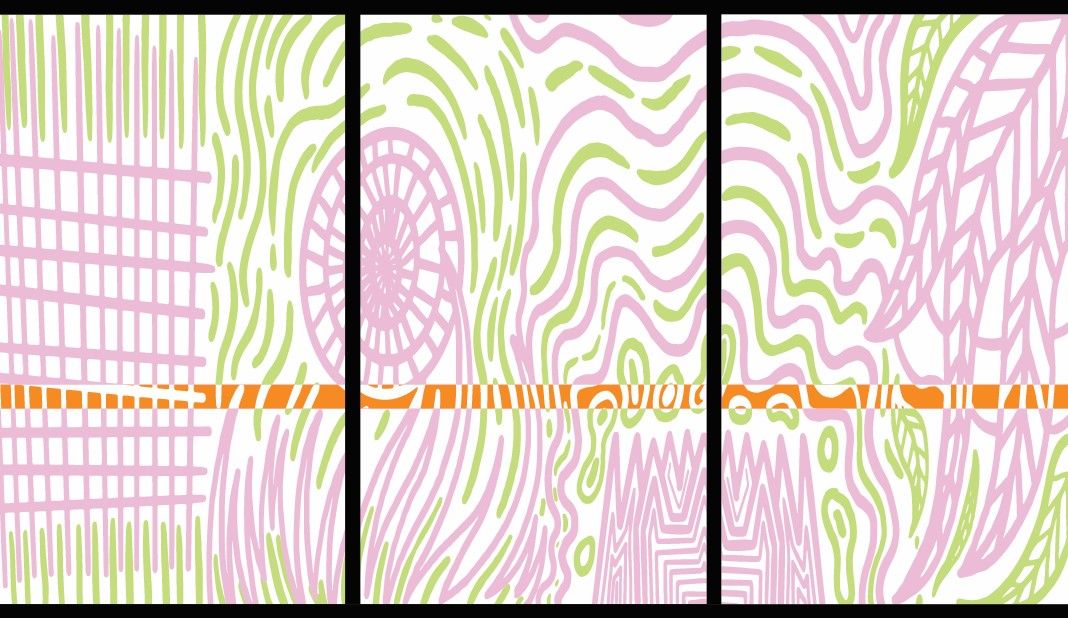
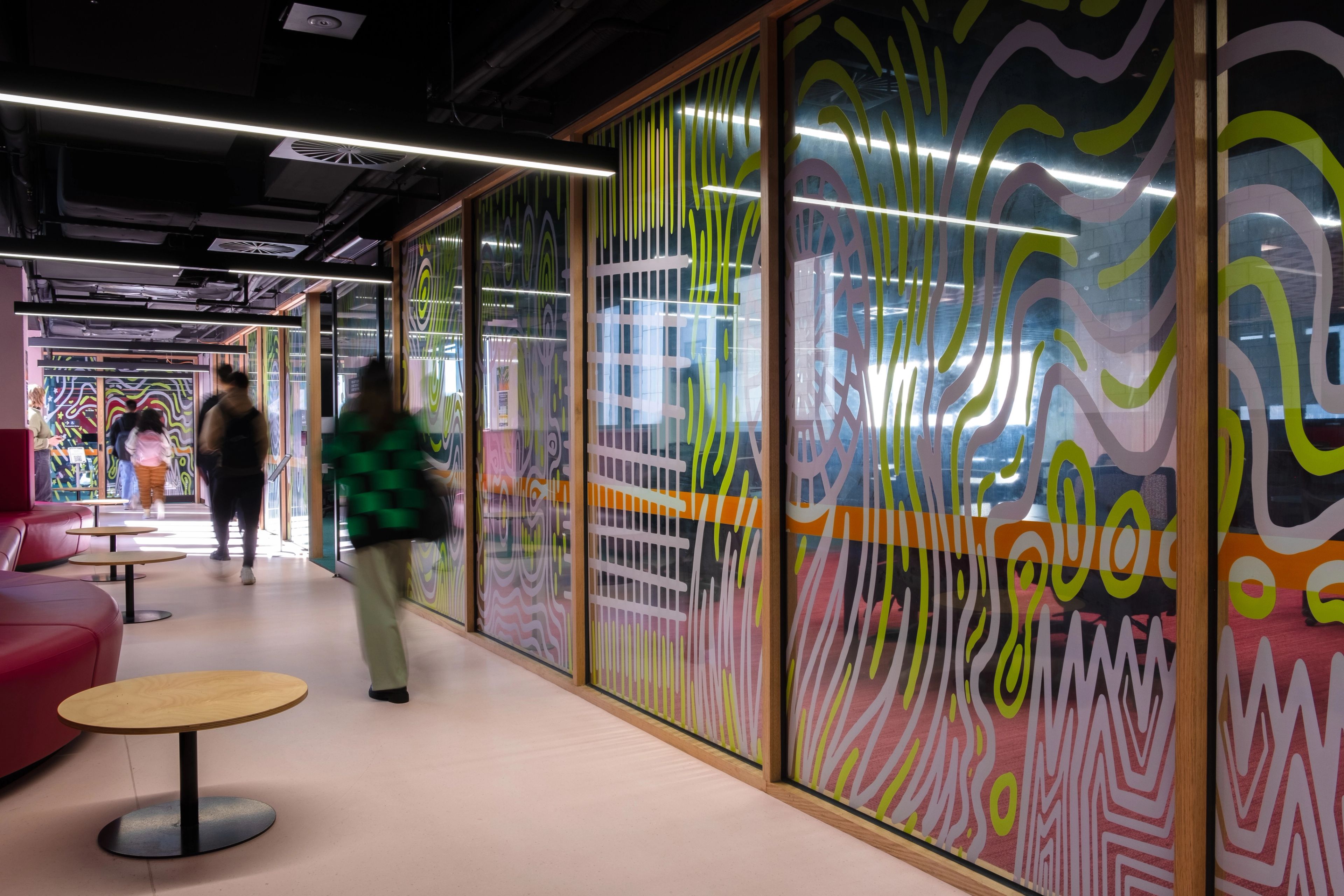
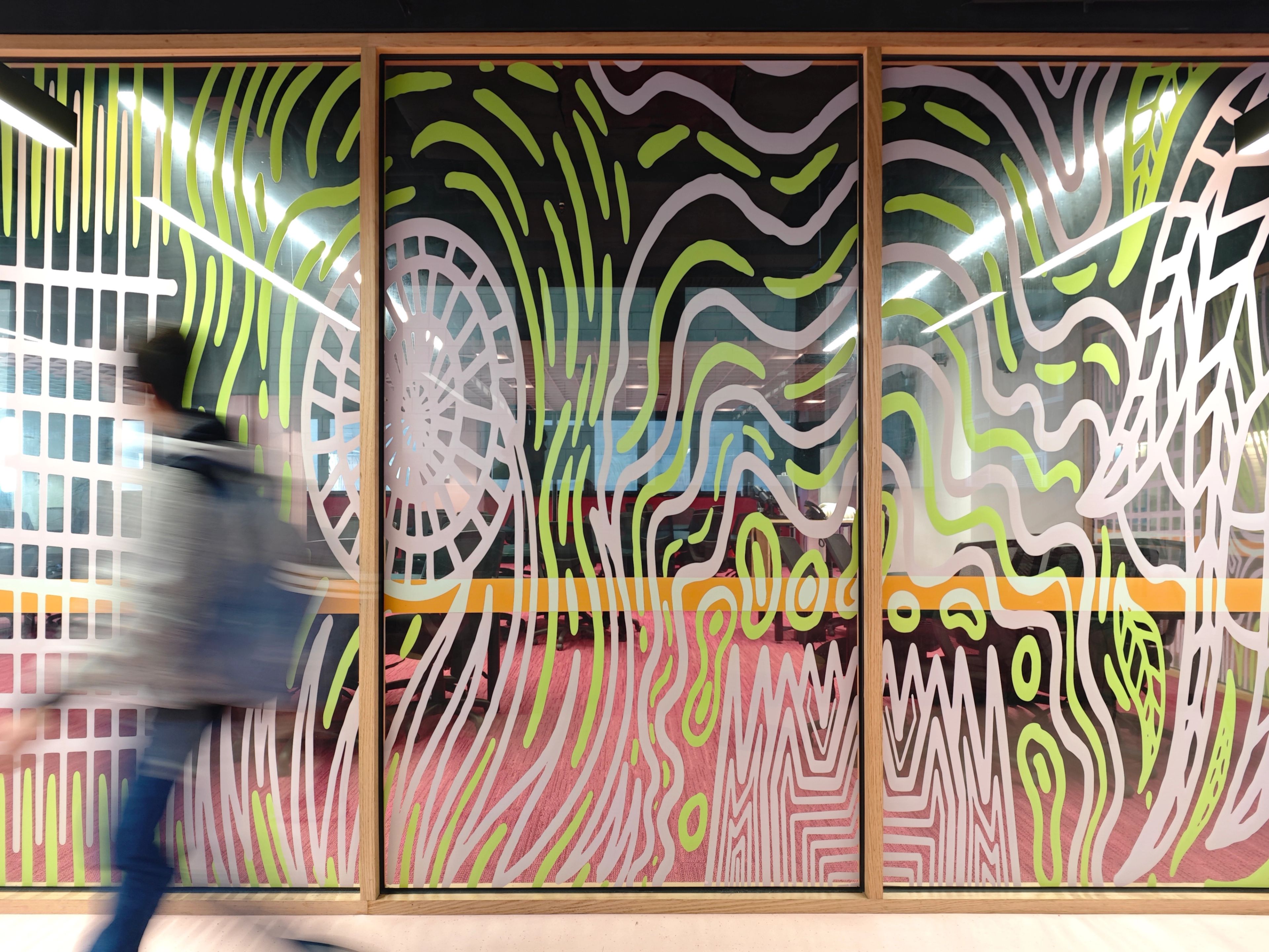
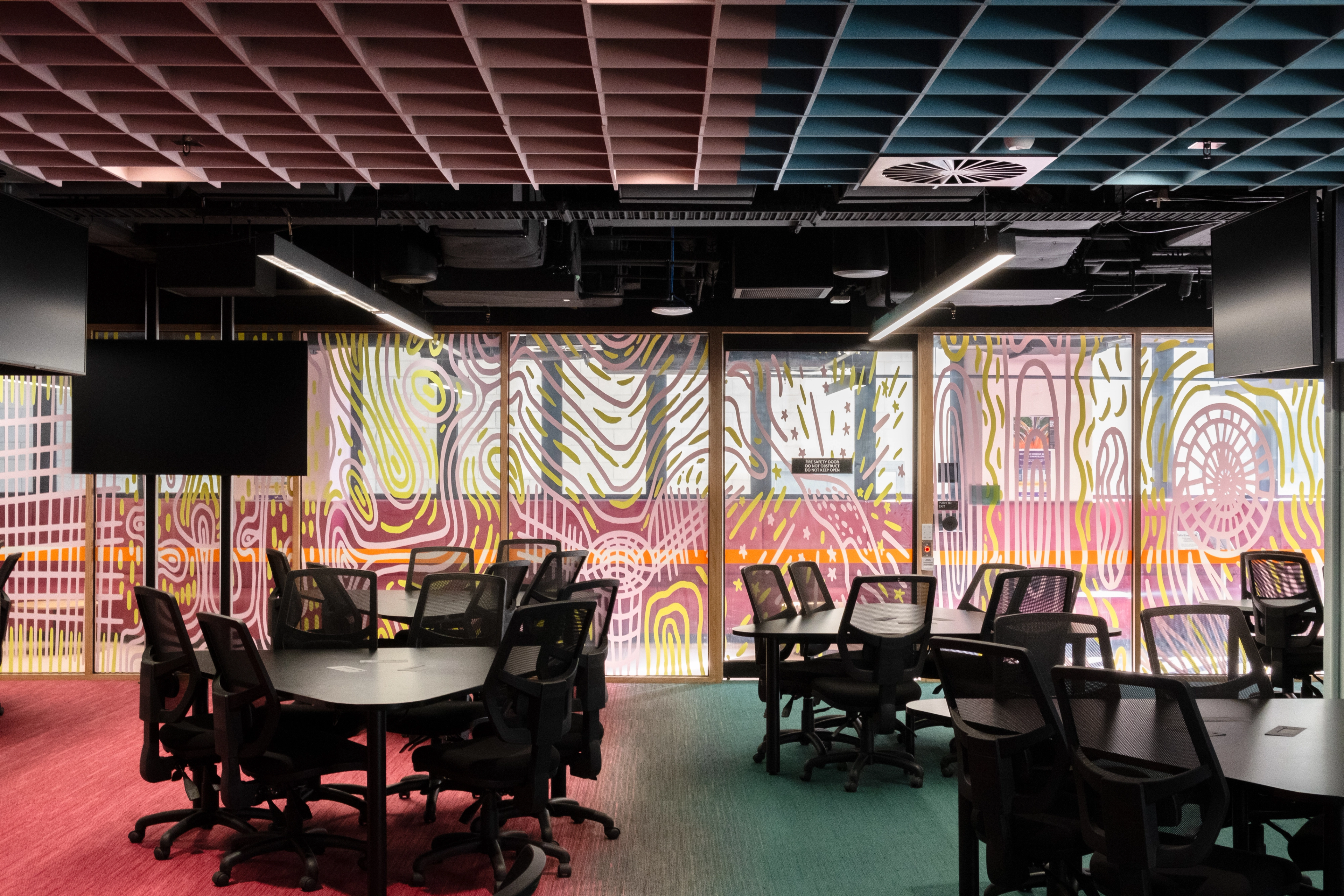
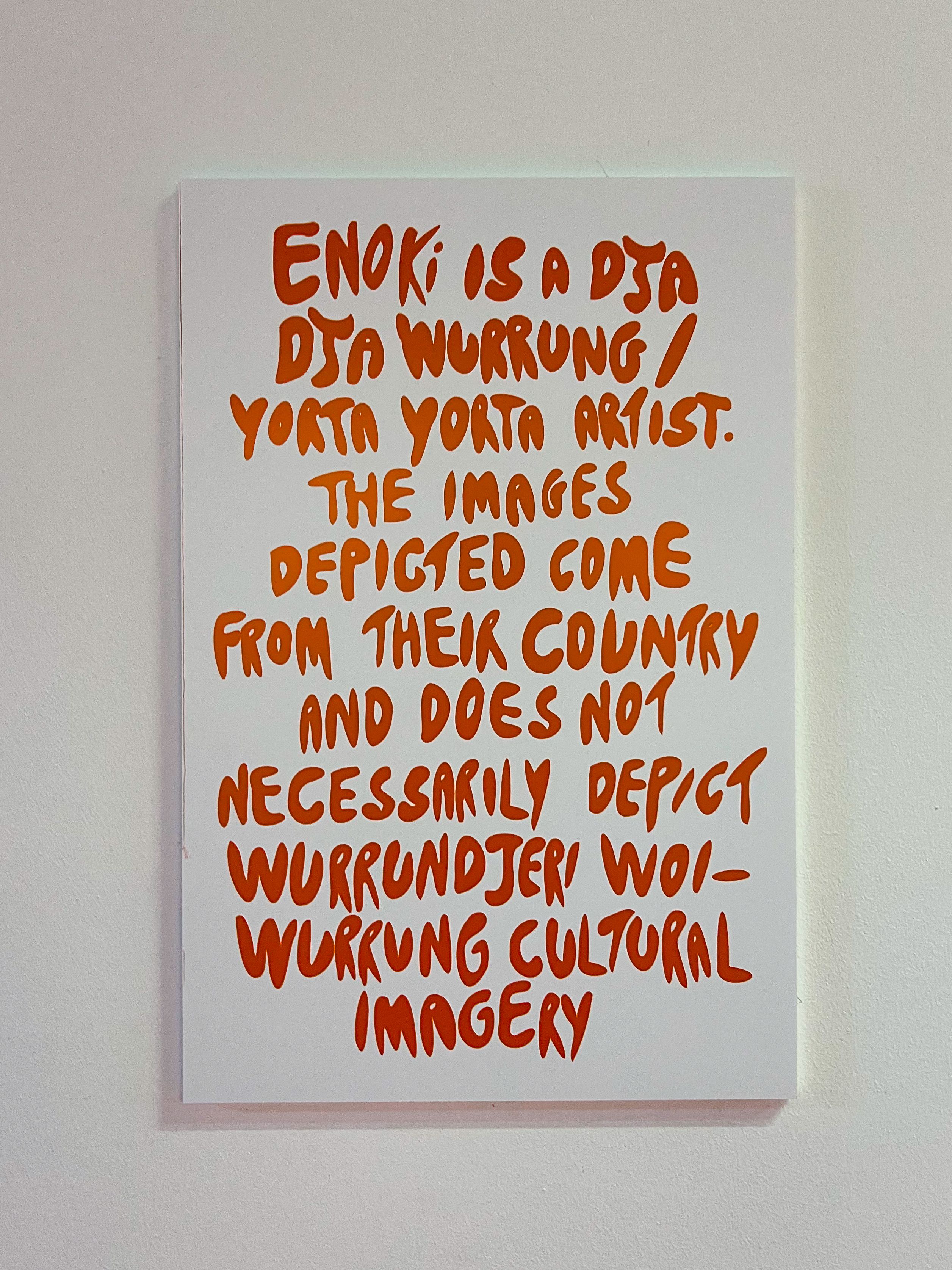
These contemporary learning spaces were creatively repurposed from three existing spaces across two buildings to foster an inclusive and high-tech learning environment. We engaged Solid Lines, a First Nations-led illustration agency, and collaborated with Melbourne artist ENOKi, a proud Dja Dja Wurrung and Yorta Yorta artist. ENOKi’s work adorns the glazed dividing walls between the super labs and breakout spaces, incorporating visual elements inspired by First Nations craftsmanship and science. This included both historic and recent depictions of trees used to make wooden tools, eel traps, native grasses used in weaving, and an abstract depiction of sheep shears developed by Indigenous inventor David Unaipon and patented in 1909. We strive to maximise opportunities for Indigenous knowledge and engagement in projects. This aligns with RMIT’s values and guiding principles for inclusion, diversity, equity, and access. This project celebrates First Nations culture and illustrates ways in which we can collaborate with First Nations artists, we continue to advocate for First Nations opportunities in all our projects and within the industry as whole.
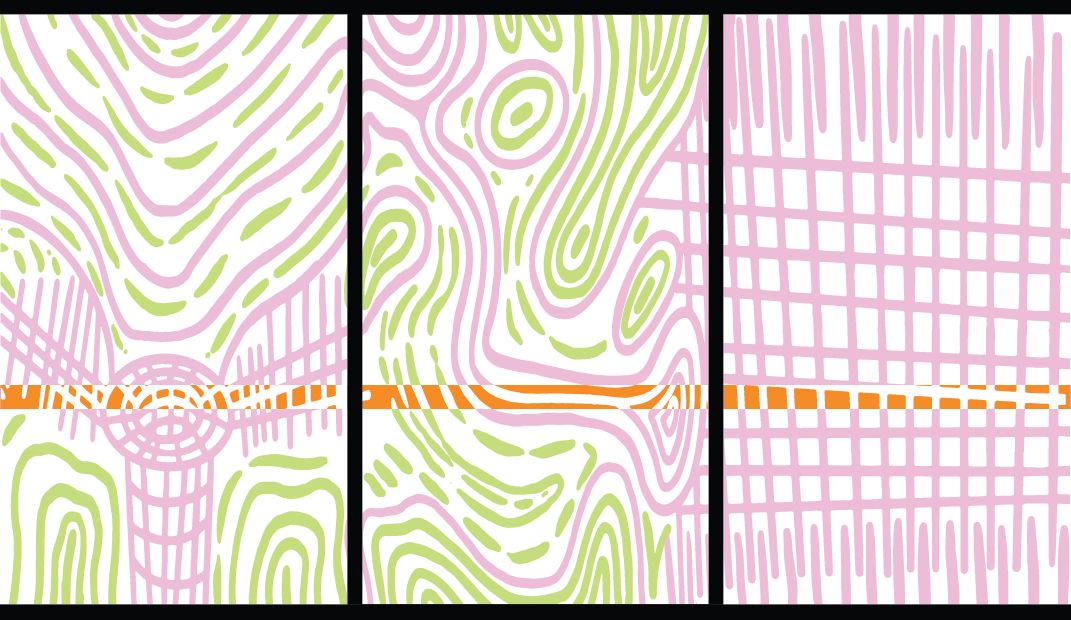
Elevation 1 – Eel Traps, Waterway, and Fencing Structure

Unburnt Gum Leaves

Gum leaves are widely used in Welcome to Country and smoking ceremonies. In Dja Dja Wurrung Culture, participating in a Smoking Ceremony is a sign of good intentions and respect. The purpose of a Smoking Ceremony is to cleanse – we cleanse ourselves of the bad spirits and open up to good spirit, or murrup (1).

ENOKi’s gum leaf composition explores the idea of un-burntleaves as an opportunity for all people to come into the space and learn on Country. They express a journey of subconsciously taking in knowledge; a symbol of growing. Additionally, the leaves are widely used medicinally, such as tea tree and eucalyptus oils for burns and bug bites, further connecting them to STEM systems.

The colours were selected specifically as a homage to aspects of our local landscape. The green, pink/purple references local flora found on Dja Dja Wurrung Country and throughout the Kulin Nation more broadly. ENOKi identified that the Australian stereotypical landscape is often depicted as the bush and beach, a dry, sunburnt landscape. Therefore, their work gives reference to more subtle elements of the beautiful local flora and silhouettes, which they utilise across their art practice.

Elevation 3 – Scar Tree, Gum Leaves, and Rockwells

Elevation 3- Weaving & Eel Trap, Scar Tree, Tingle – Emu

Elevation 3- Eel Trap, Waterway, Rockwells

Elevation 3 – Fence Structure, Weaving, Sheep Sheers, Gum Leaves

Sheap Shears

This is an abstract depiction of sheep shears developed by Indigenous inventor David Unaipon and patented in 1909. It is a very old science and forms part of the 65,000 years of Indigenous STEM stories, shown side by side with comparatively very recent history. The sheep shears are very influential in Australia’s history, as they helped create the boom in the sheep sheering industry. We have a First Nations person to thank for that.

ENOKI explains that every time they get a new brief, they research elements of Indigenous history, to find out more about why and how they might be important. Unaipon was a prolific inventor, but this isn’t historically something that’s taught in schools, despite his presence on Australian bank notes.

Why don’t we learn more about him? Why isn’t he talked about enough?” ENOKi experienced no in-depth learning in school about First Nations Culture, just a very basic understanding that anyone in the world might know. They would have to learn about the realistic side of colonisation from their family, and experience being depicted through the lens of “we didn’t invent the wheel, we didn’t have these white colonial inventions therefore we weren’t an advanced society.” Enoki goes on to say –

but if you look into First Nations STEM, you can see how amazing it is, and how much of an understanding they had of the Country they were on.”“You never step in the same river twice. If you go out of the city, out of a controlled environment, the landscape changes so much. There are always small to large changes in the landscape, like which birds will be around when, bugs, plants, fish, eels – and where they travel from. In the city we just have seagulls and pigeons. It’s about sitting and listening, connecting and understanding the legacy of First Nations STEM, and how it all bleeds together.

In the artwork, the curved lines bleed into sheers and Tingle, whilst also depicting the perpetual motion of wool that has been cut off the sheep. It explores this double meaning – connection and change.

Solid Lines & ENOKi Commission · BKK Architects