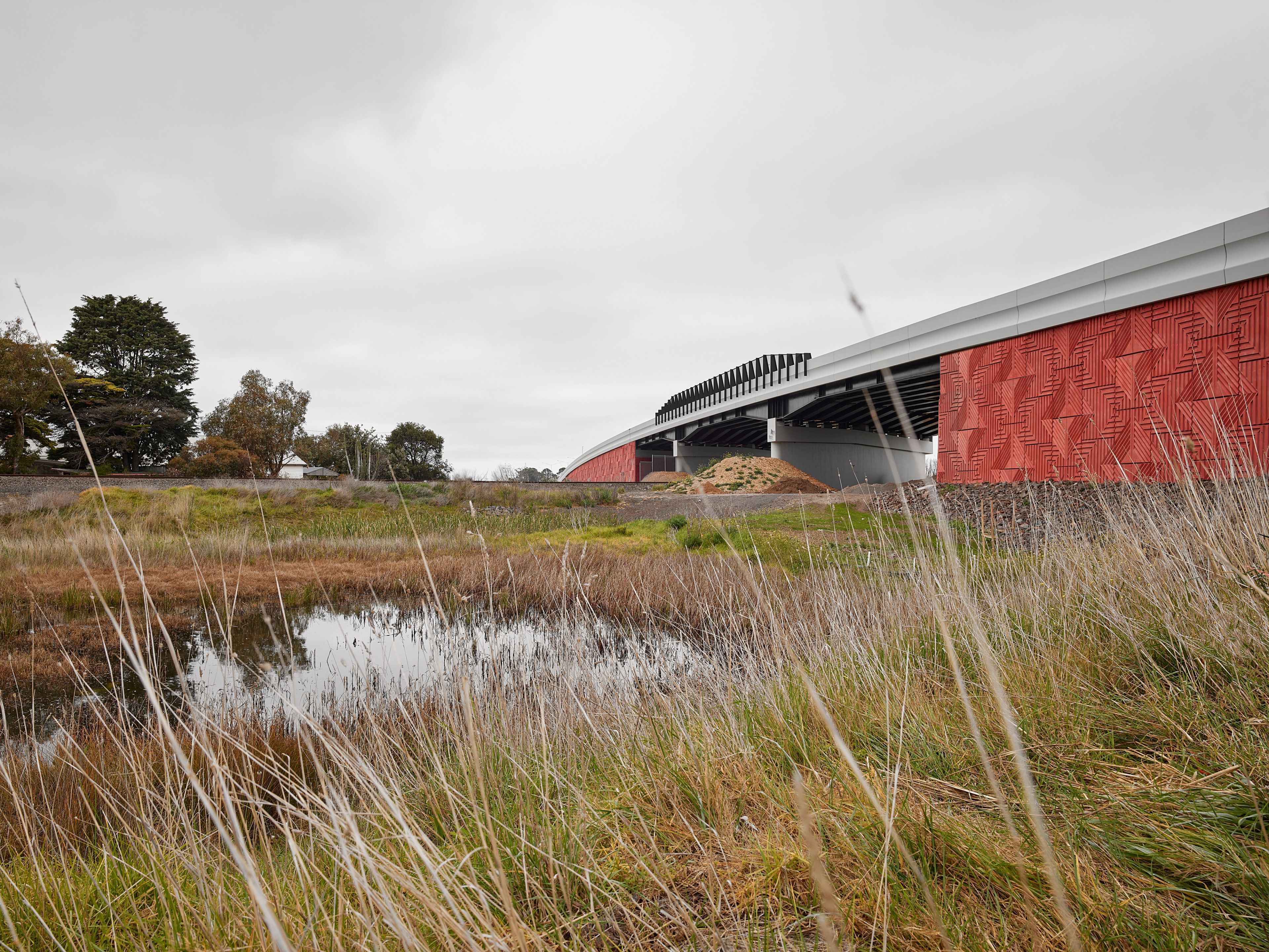
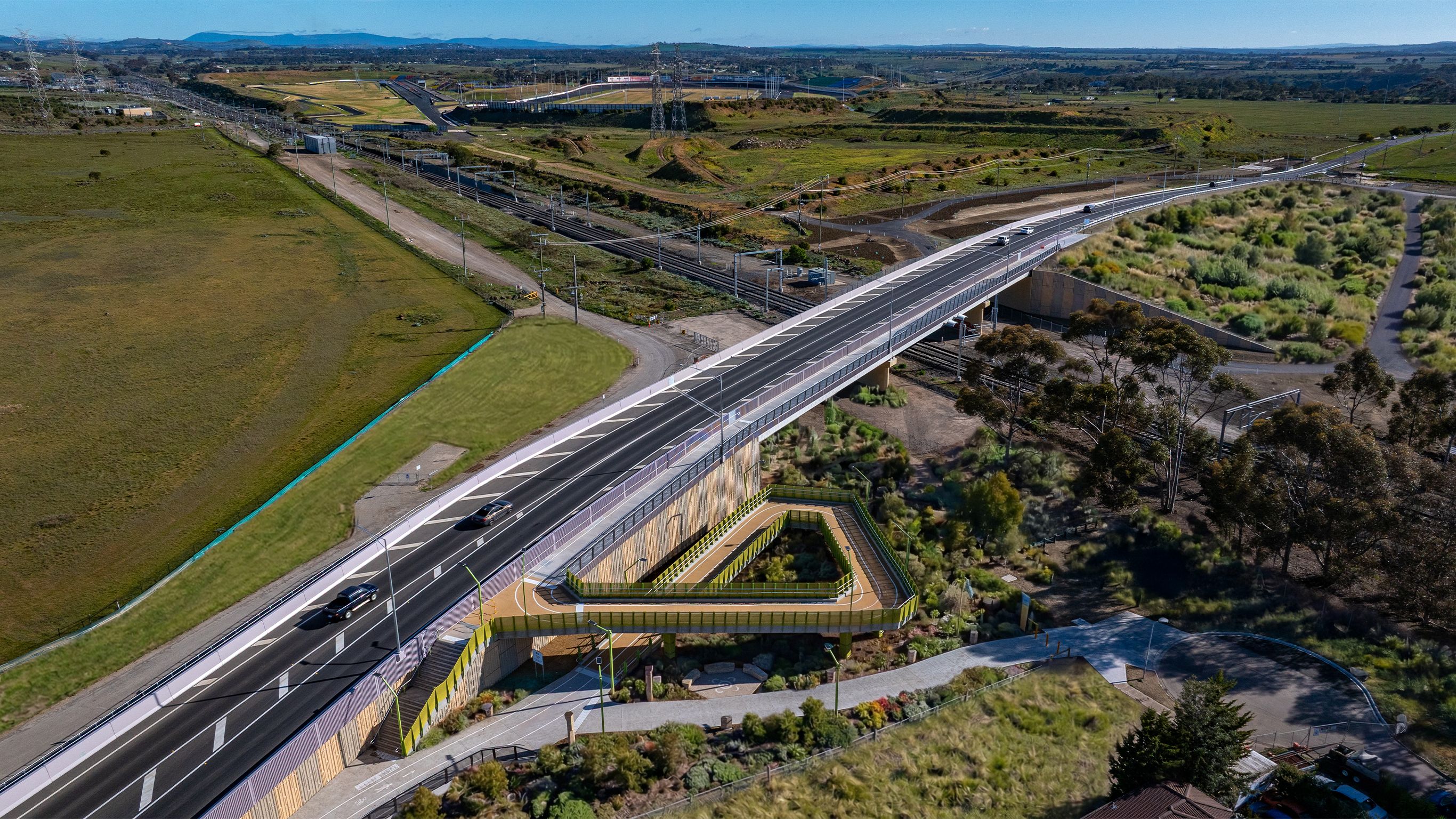
When the Level Crossing Removal Authority approached BKK Architects to lead the urban design for the Calder Park Drive crossing removal, the engineering logic was straightforward: eliminate a dangerous at-grade crossing delaying over 10,000 vehicles daily, with 25 trains passing and peak-hour delays of up to 26 minutes. Build a bridge. Separate the traffic. Move on.
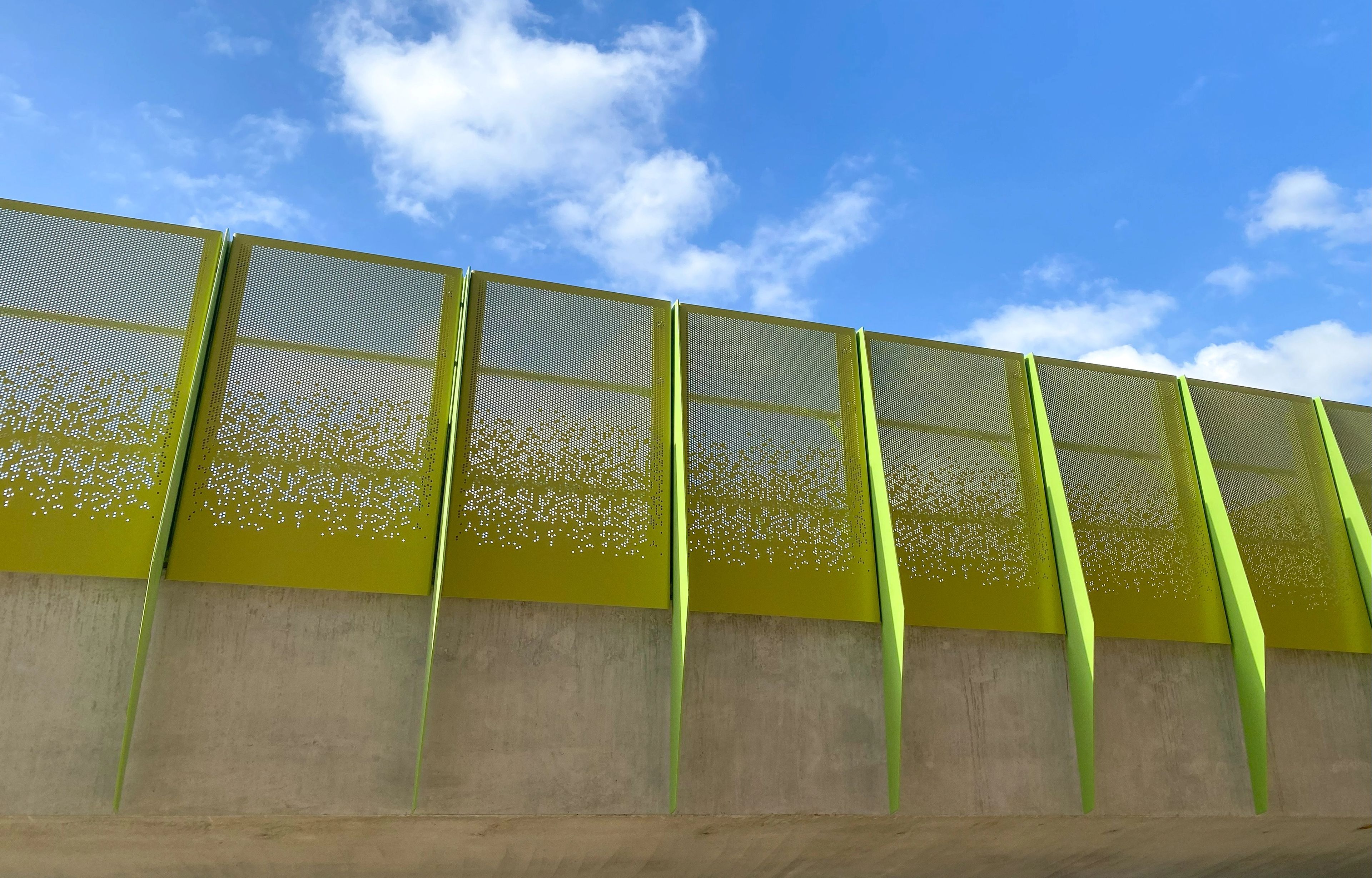
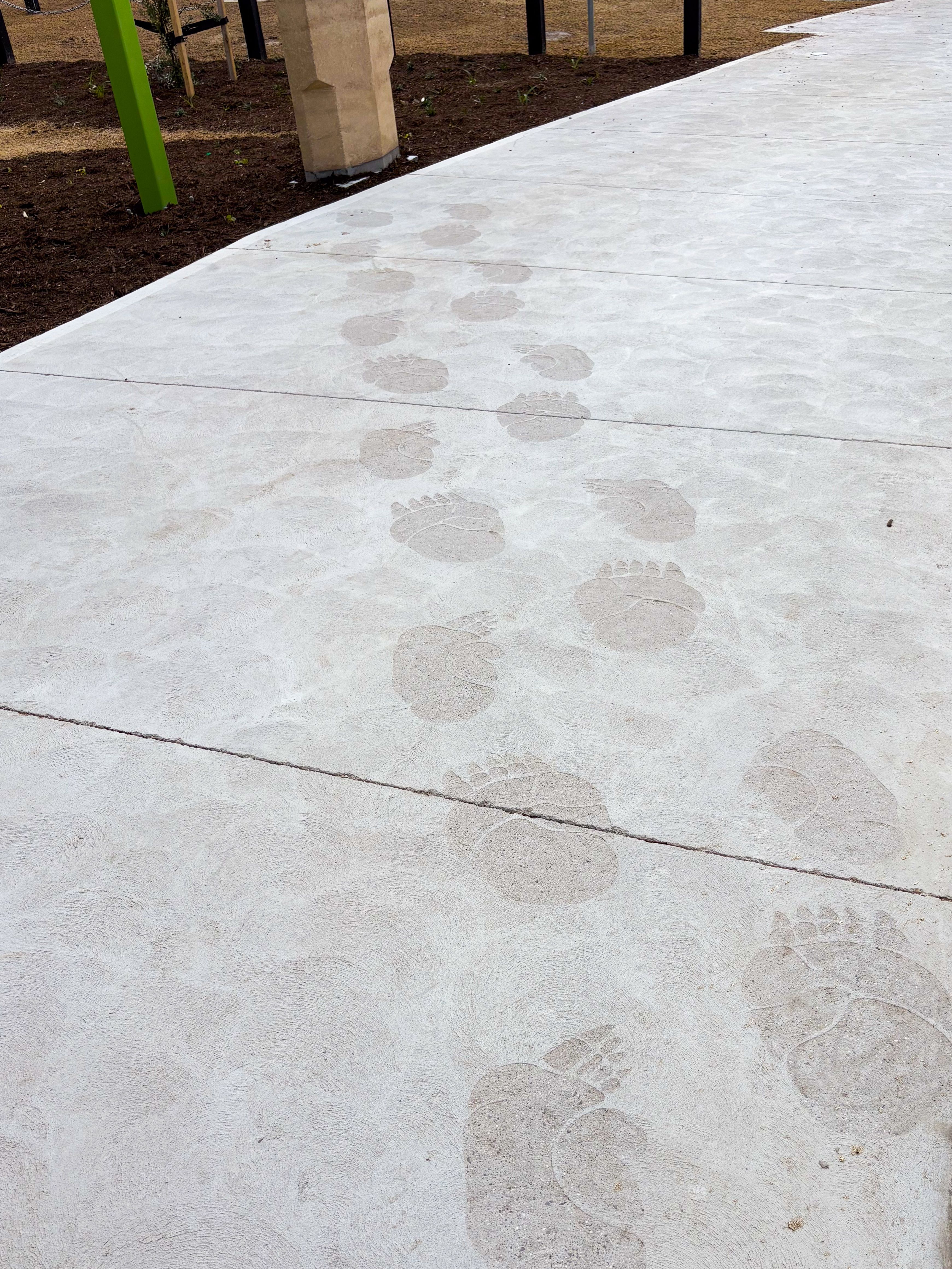
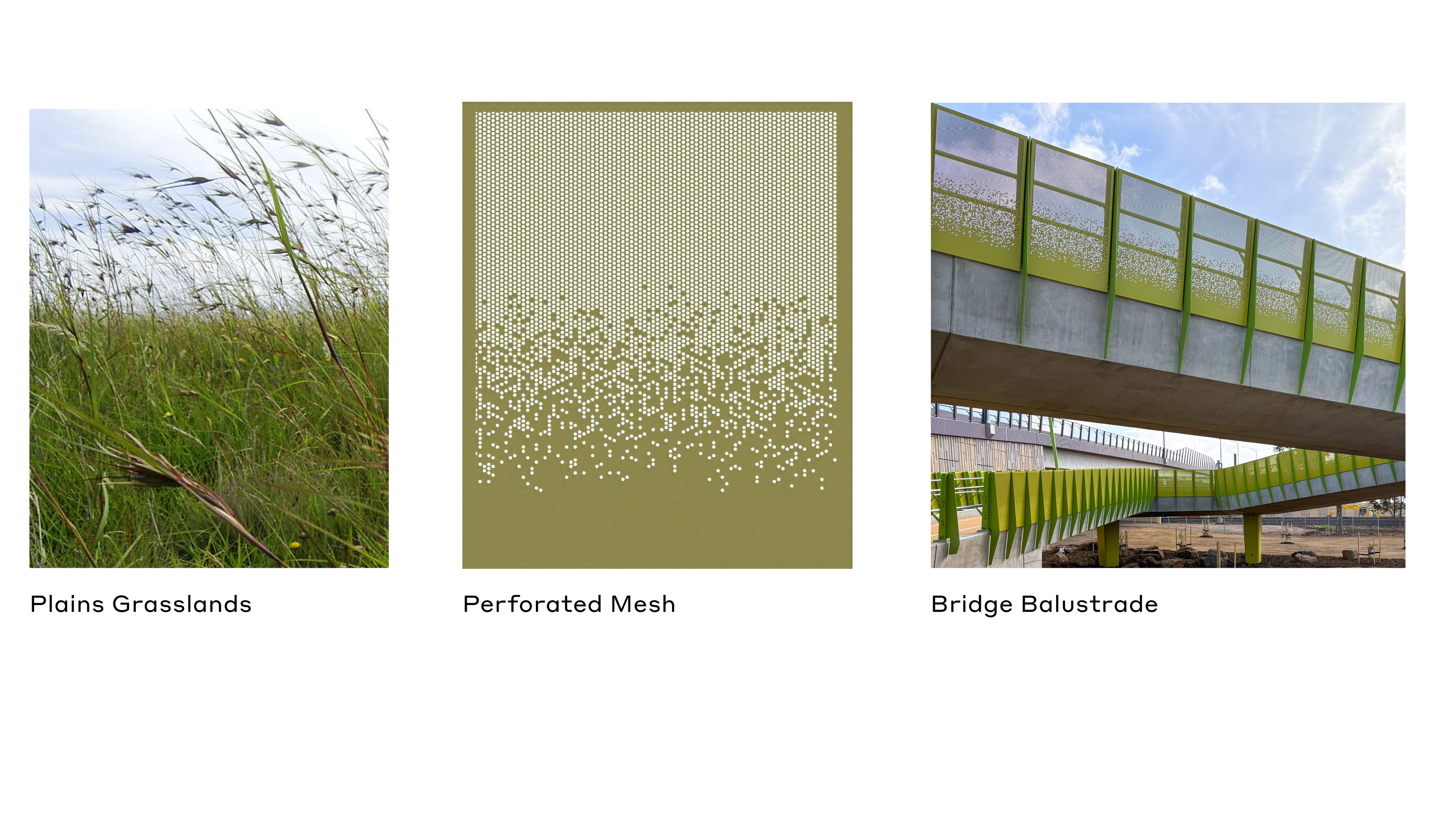
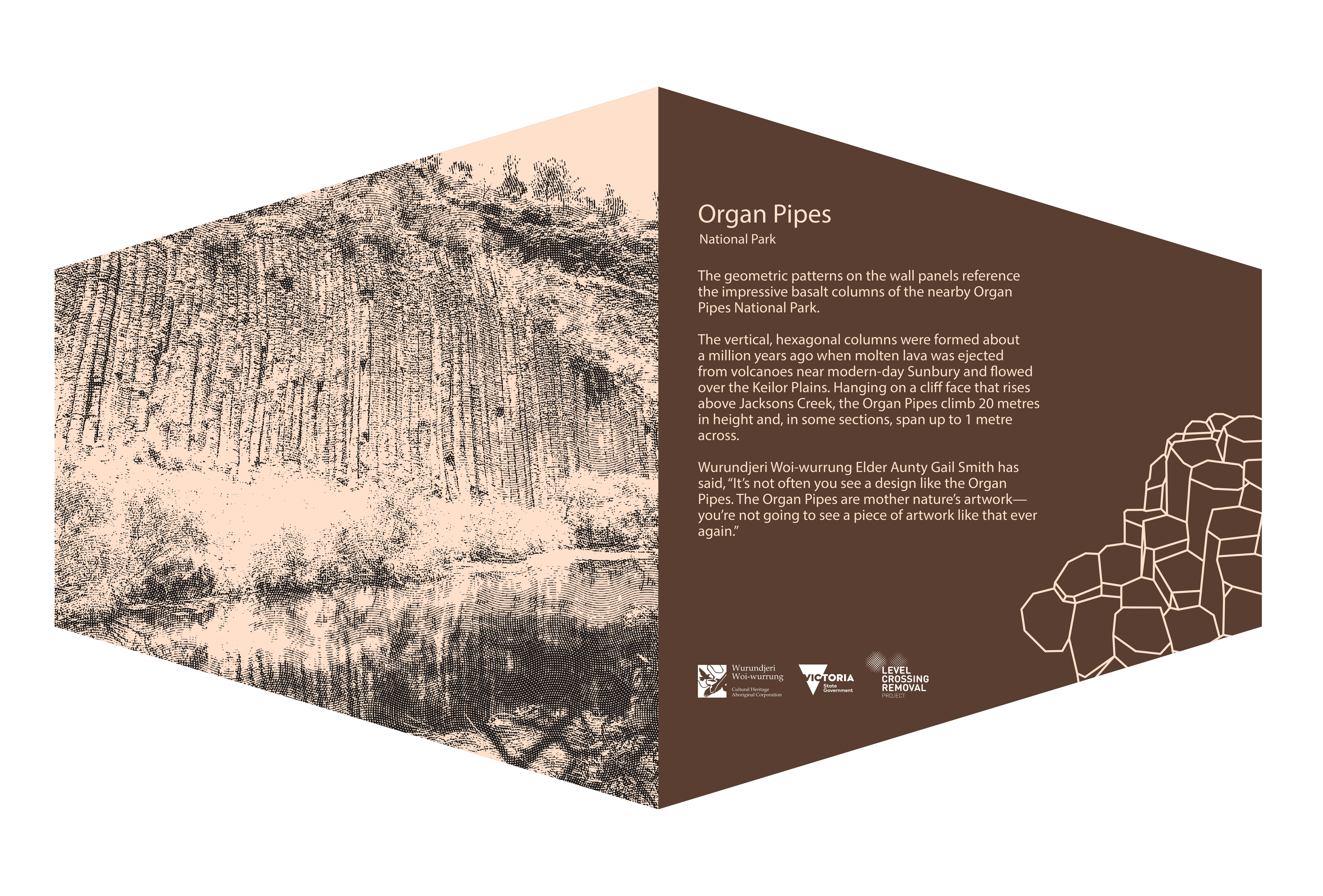
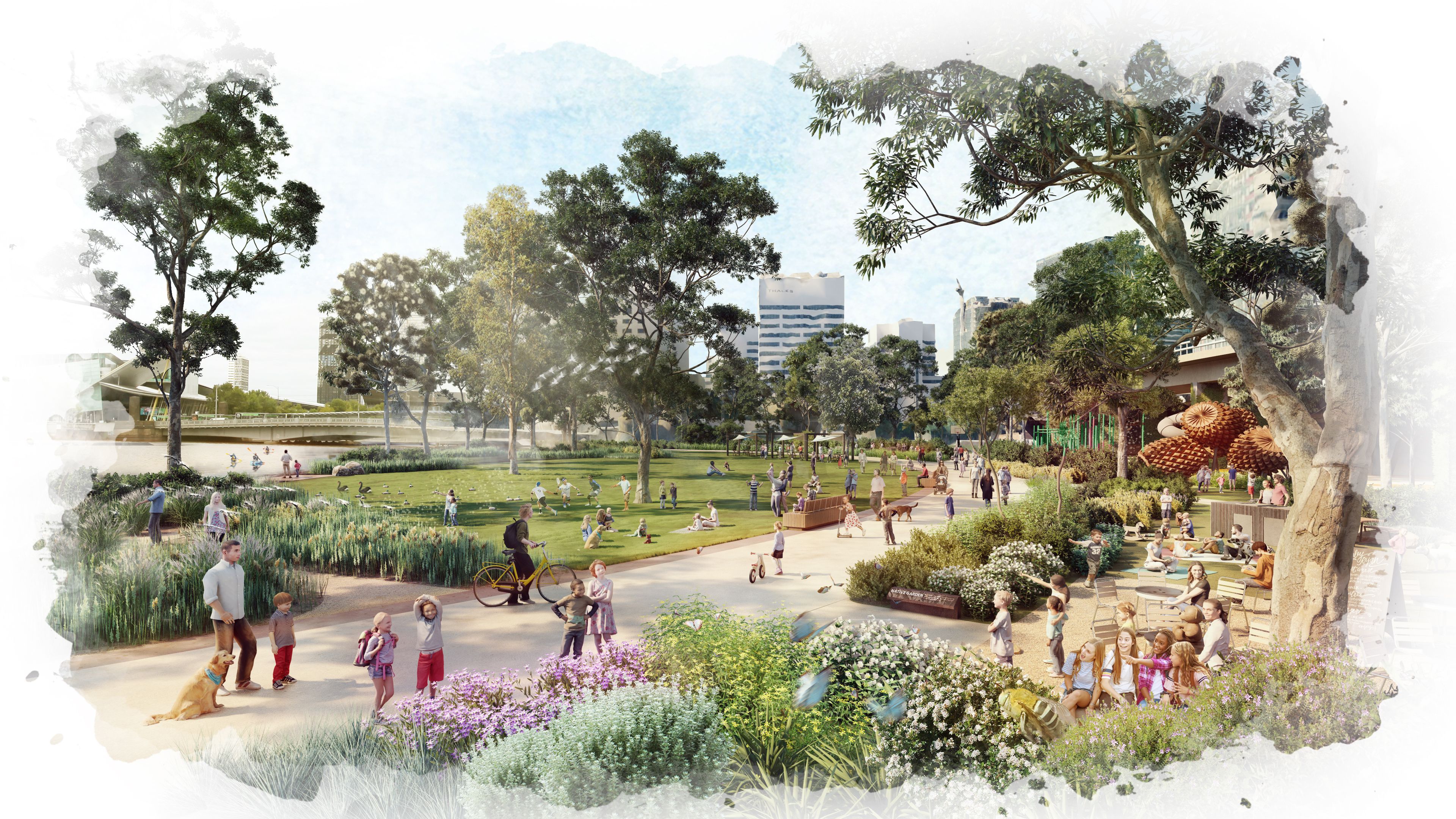
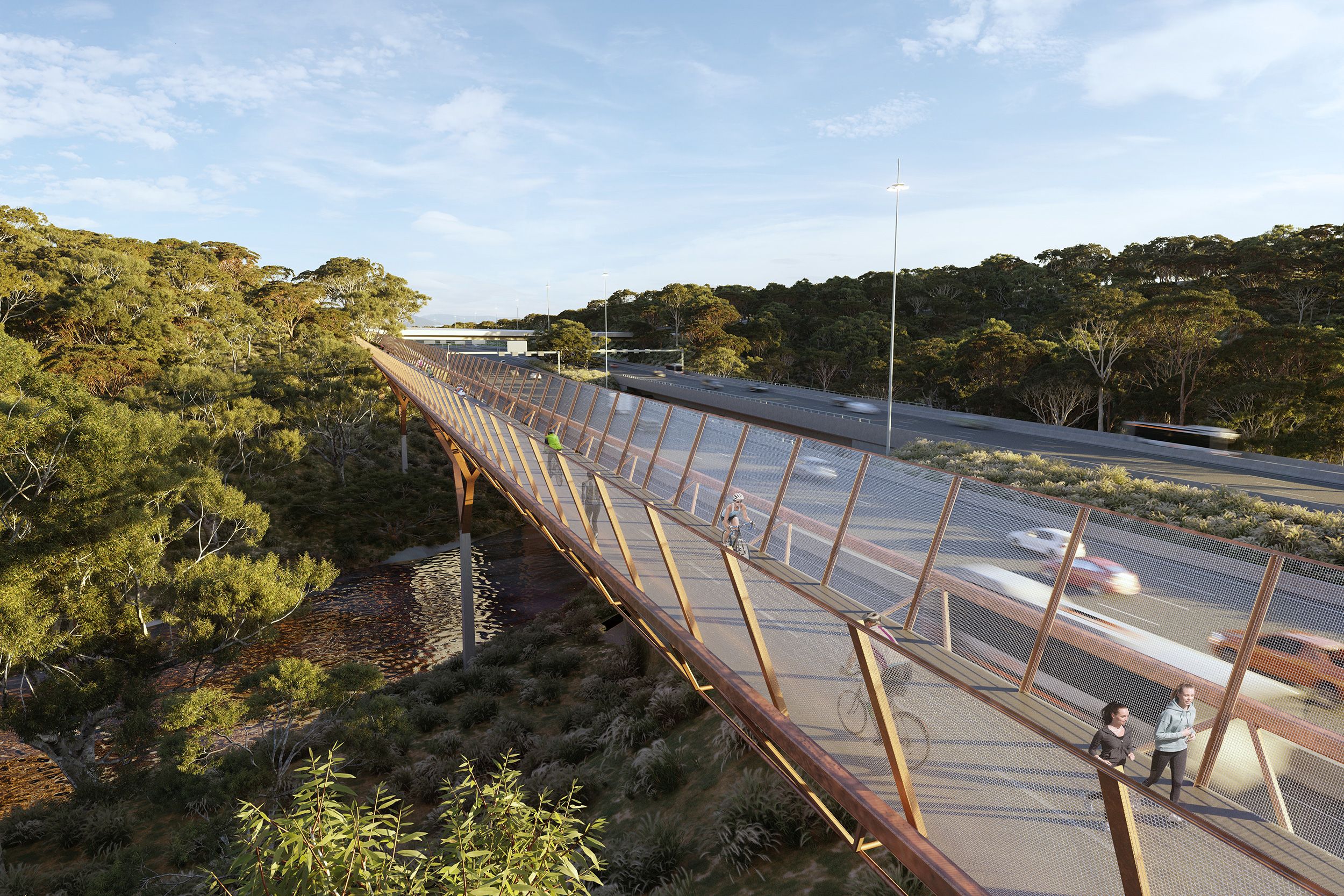
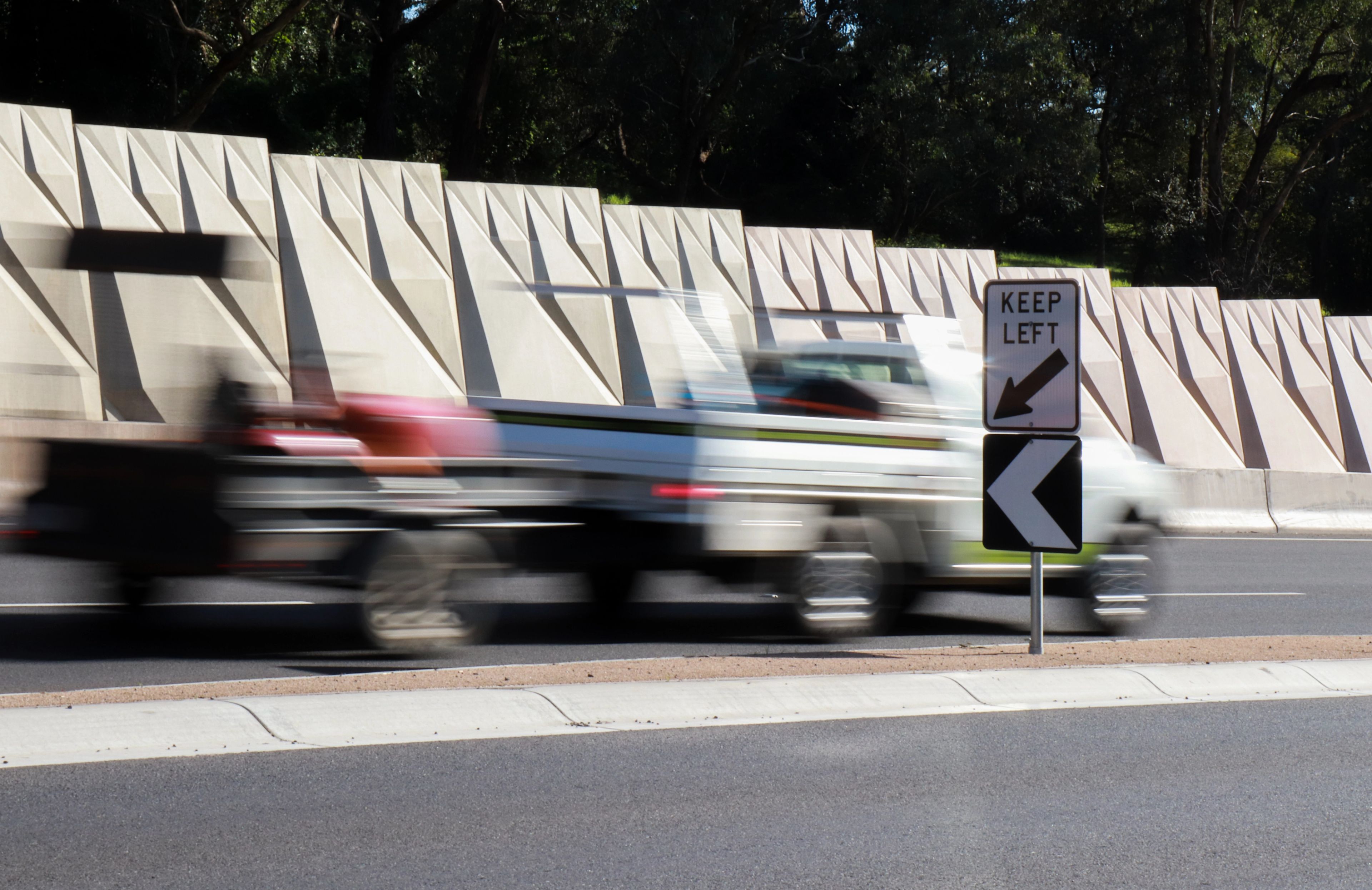
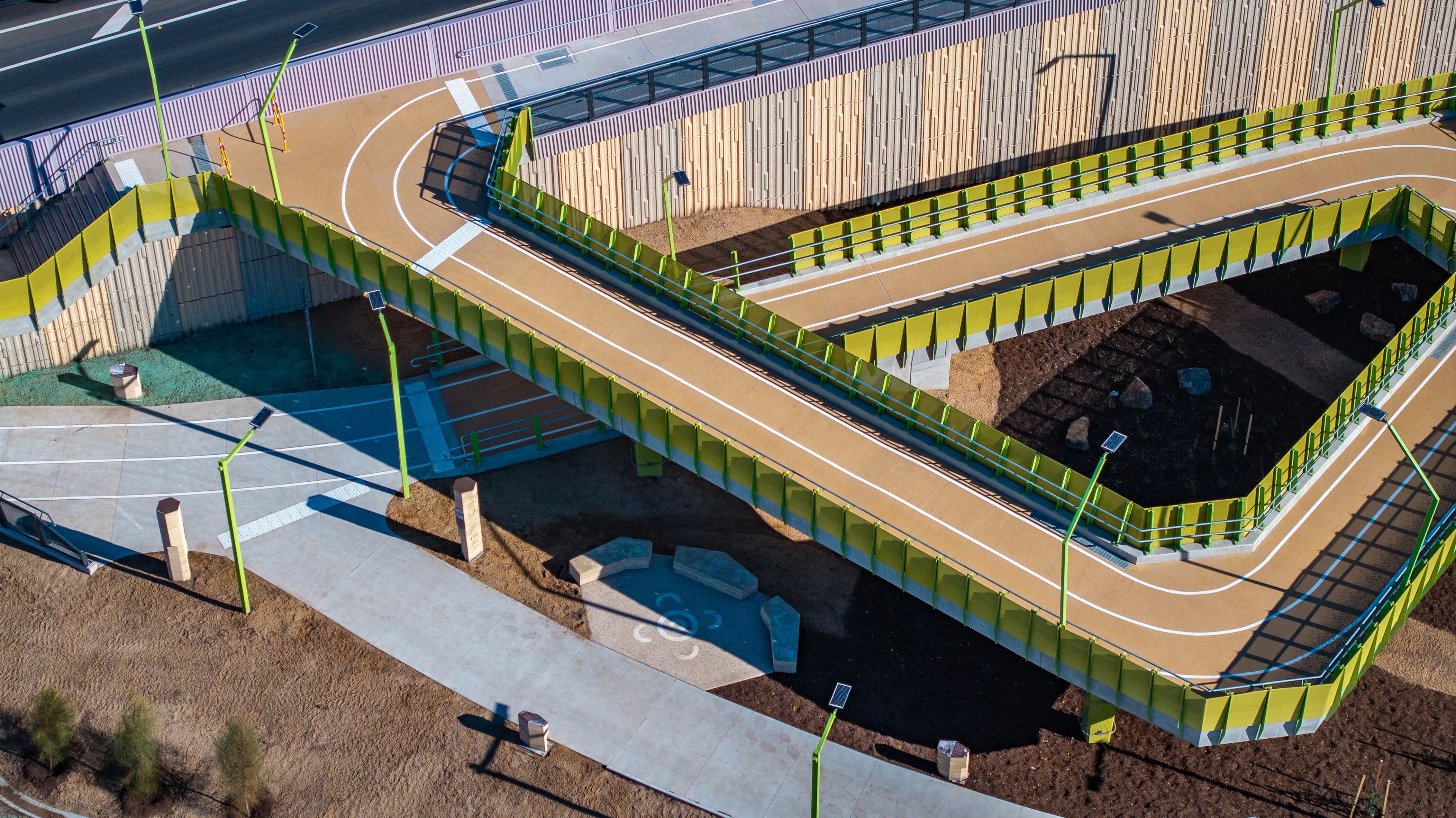
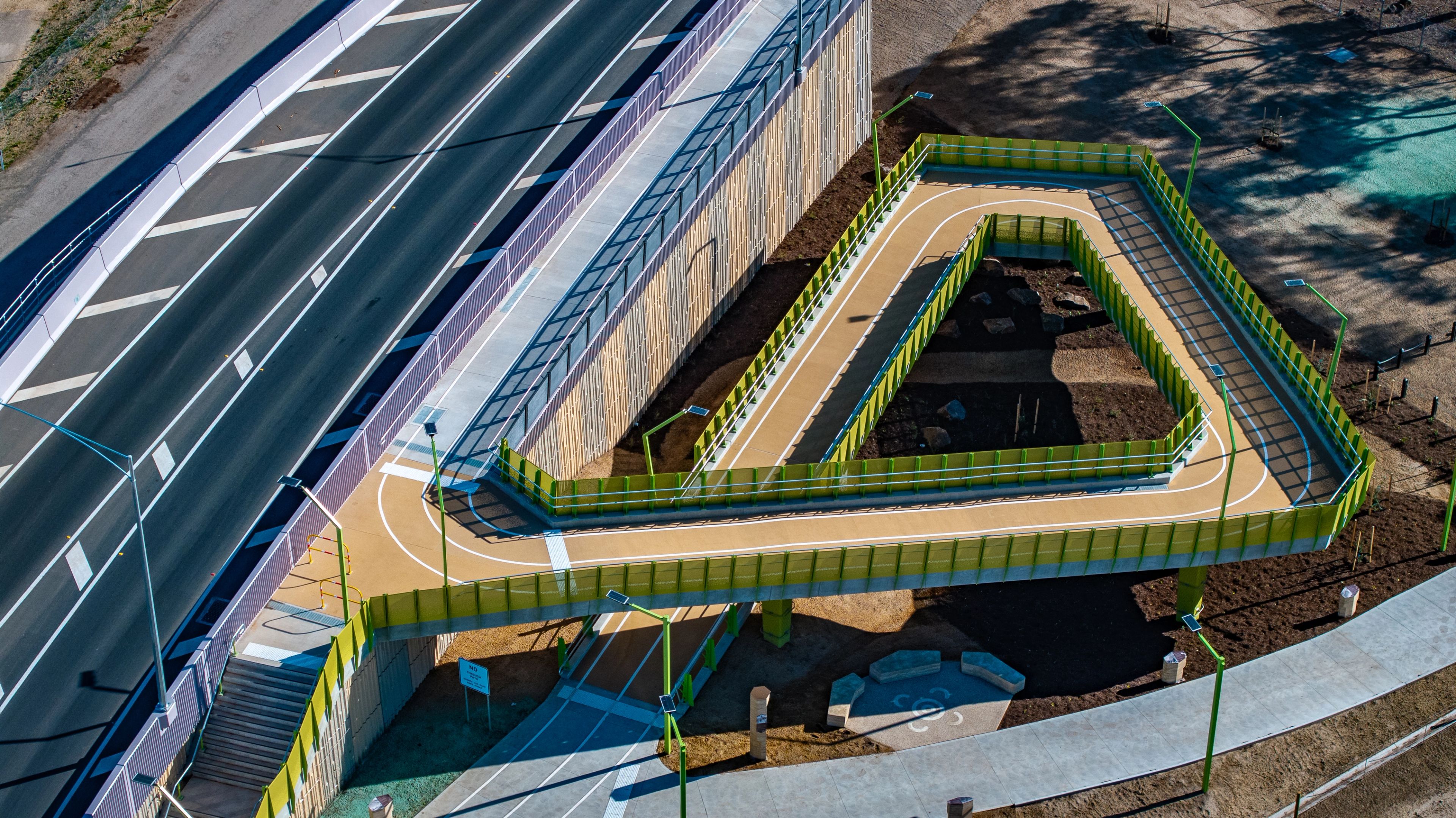
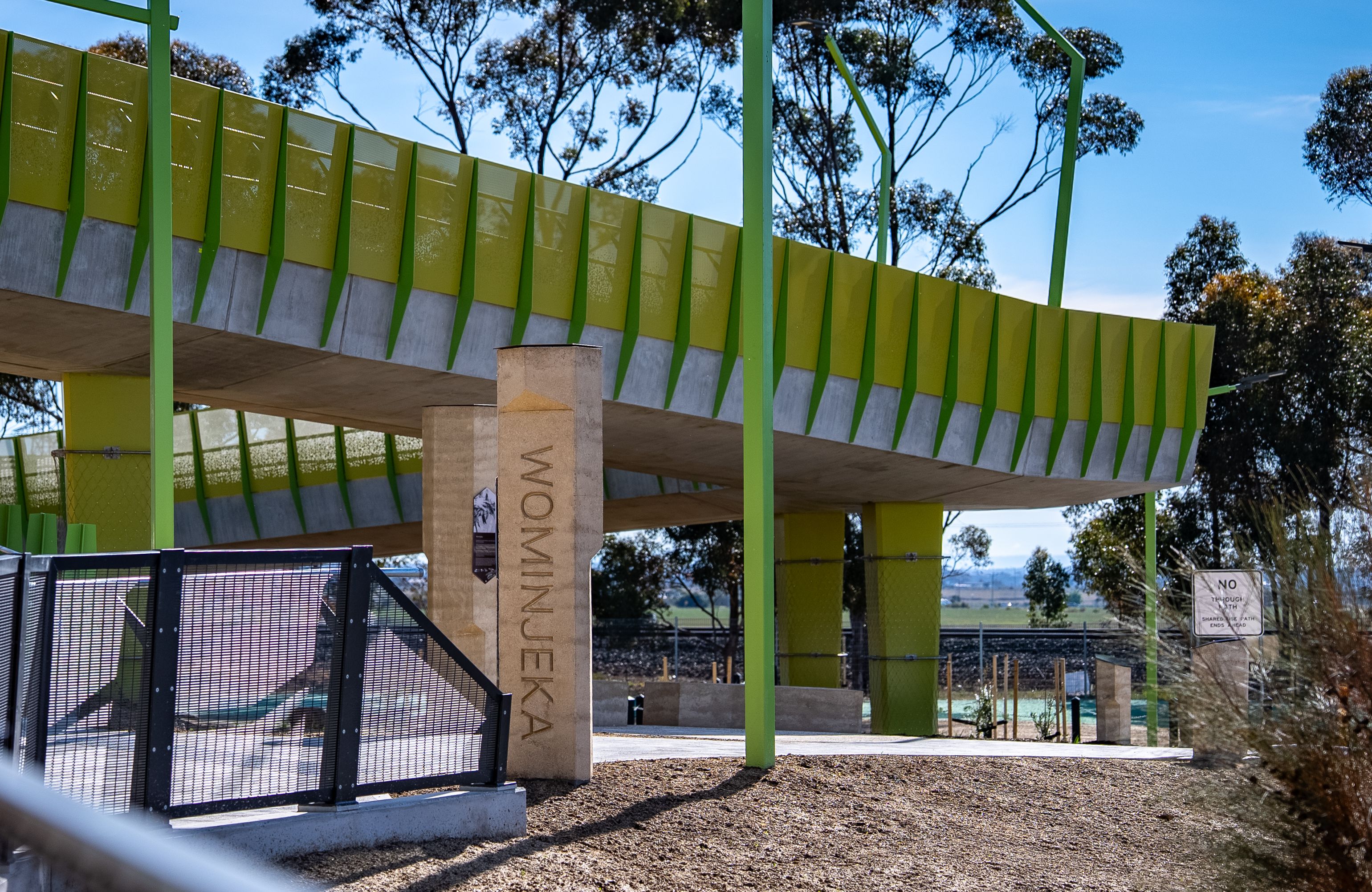
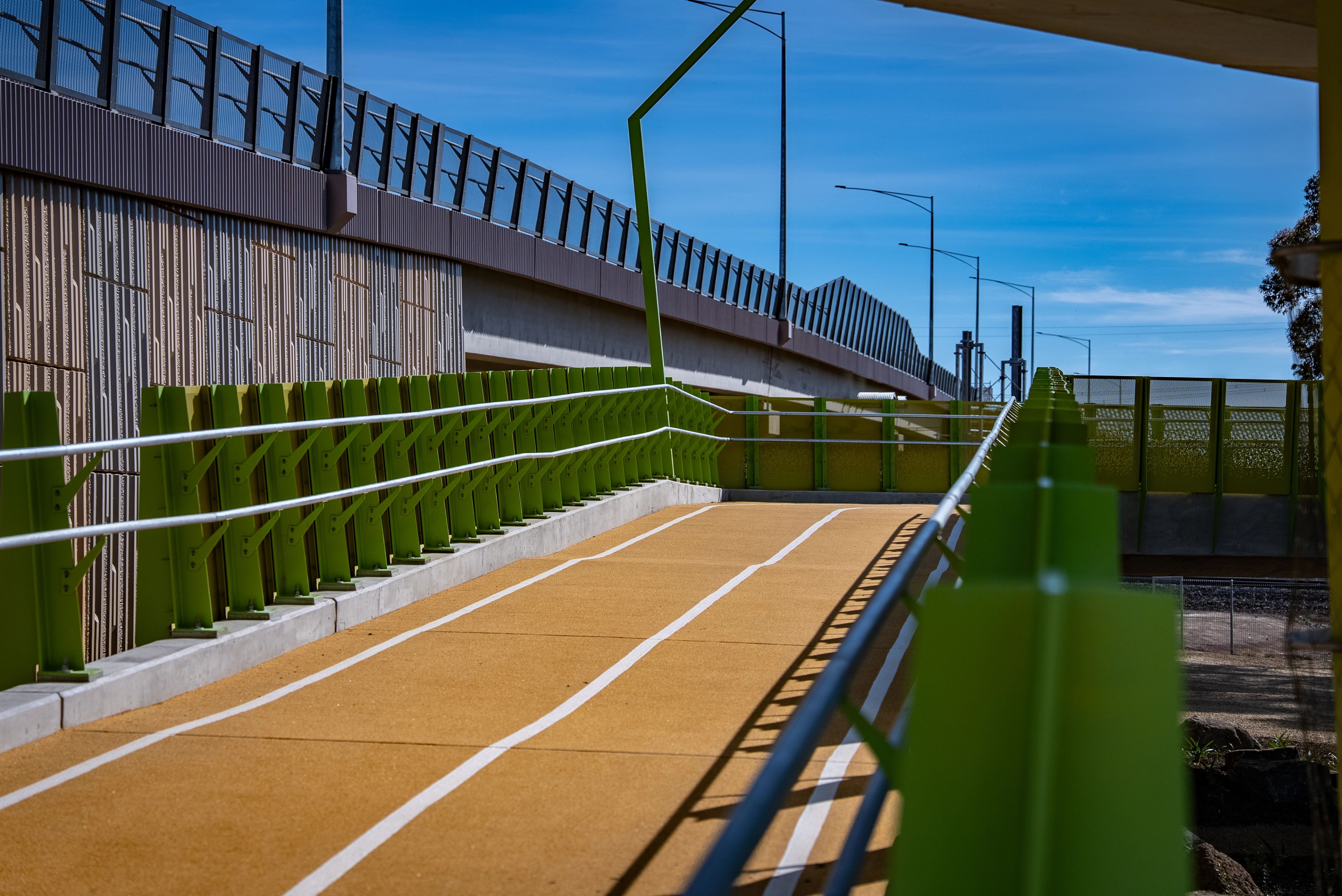
BKK had a different question. The project's required infrastructure; massive retaining walls, pedestrian safety screens, and concrete shared user paths would create significant new public interfaces. What if those surfaces could do more than hold things up and keep people safe? What if they could teach something?